New Delhi: Based on research conducted at Central Drug Research Institute (CDRI), Lucknow and data from antibody-based therapies (biologics), a protein Sclerostin, has emerged as a promising drug target for treating Chronic kidney disease (CKD) induced osteoporosis as well as postmenopausal osteoporosis. Studies suggest that the protein Sclerostin plays a key role in the dysregulation of bone metabolism. In patients with advanced stages of CKD and osteoporosis, Sclerostin levels are observed to be high.
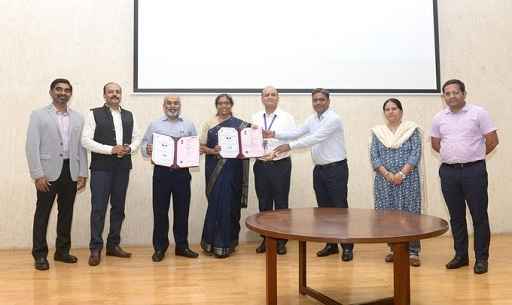
To develop oral medication through the discovery of small molecule inhibitors of Sclerostin, a collaborative research agreement was signed by Zydus Lifesciences Ltd, Ahmedabad and Central Drug Research Institute, Lucknow. Under this agreement, CDRI and Zydus will jointly undertake preclinical research. Any drug candidate emerging from the efforts will be developed by Zydus for India and other markets.
Chronic kidney disease (CKD) affects over 10% of the global population, posing significant health challenges. One of the major complications of CKD is disruption of mineral metabolism, increasing the risk of osteoporosis and fractures. Those above the age of 65, particularly women, are at higher risk. Unfortunately, most of the conventional anti-osteoporosis medications are contraindicated in patients with CKD, due to the risk of worsening renal function. Therefore, there is an urgent need to develop safe and effective drugs for osteoporosis that will reduce fracture risk without a deterioration of renal function.
Commenting on the partnership, Dr Radha Rangarajan, Director, CSIR-CDRI said, “CSIR-CDRI has worked extensively in the area of bone metabolism under the leadership of Dr Naibedya Chattopadhyay.” The complementary expertise and capabilities of the two organizations, combined with a shared mission to address India’s unmet needs through innovative therapies, makes this collaboration particularly meaningful, he added.
Mr. Pankaj Patel, Chairman, Zydus Lifesciences Limited, on the occasion said, “CSIR-CDRI’s deep-rooted expertise in biomedical research, coupled with Zydus’s innovative approach to drug discovery and development, creates a powerful synergy.” Together, the two organisations will explore new avenues for treating bone metabolism disorders, ensuring that CKD patients have access to effective and affordable therapies that improve their quality of life, reiterated the Chairman.