Speaking at a press briefing in Geneva, WHO spokesperson Tarik Jasarevic clarified that existing scientific evidence does not support a causal relationship between paracetamol use during pregnancy and autism.
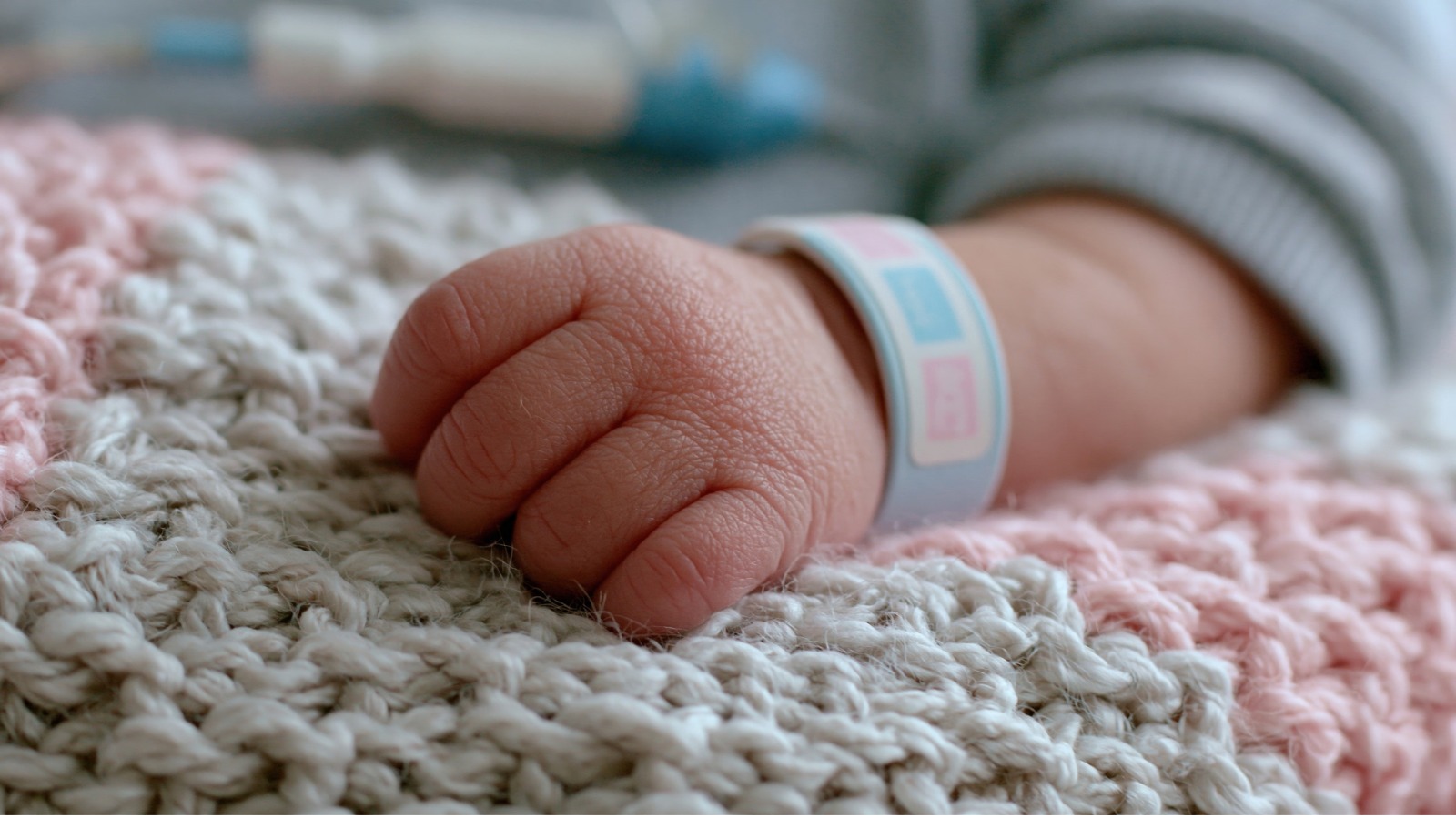
“I can tell you what we know about acetaminophen, which we know here as paracetamol. So there were some observational studies that have suggested a possible association between prenatal exposure to acetaminophen or paracetamol and autism, but the evidence remains inconsistent. Several studies that have been done after that have found no such relationship, and if the link between acetaminophen and autism were strong, it would likely have been consistently observed across multiple studies. So this lack of replicability really calls for caution enduring causal conclusions about the role of acetaminophen in autism,” Jasarevic said.
He added, “Now, in general, medicines in pregnancy should always be used with caution, especially in the first three months. It is important that every woman continues to follow the advice of their doctors or health workers who can help assess individual circumstances and recommend necessary medicine.”
Responding to Trump’s remarks about childhood vaccines, Jasarevic stated that the WHO’s recommendations are based on rigorous scientific review.
Jasarevic also informed that a press conference on the upcoming Strategic Advisory Group of Experts (SAGE) meeting would be held in the coming days. “SAGE is an independent advisory group grounded in rigorous evidence review. Its recommendations are designed to offer the best protection against serious diseases and to ensure vaccines are delivered at the most effective time,” he added.
He cautioned against delaying or spacing out vaccines beyond recommended timelines, saying, “There is a sharp increase in the risk of infection, not only for the child, but also for the wider community. Infants too young to be vaccinated, and people with weakened immune systems or underlying health conditions, are at greatest risk. And just to conclude on the spacing further spacing out vaccines beyond what is recommended also requires more visits to the doctor. Increases the likelihood that the child will miss a dose, or can result in vaccines being given out of sequence, which in some cases, may reduce vaccine performance. So each missed dose increases the chances of contracting a life-threatening infectious disease.”
Earlier, speaking at a press briefing at the White House, US President Donald Trump had claimed that women should avoid taking acetaminophen, commonly known as Tylenol, “during the entire pregnancy”.
Trump also stirred fresh controversy by suggesting that childhood vaccinations should be delayed. “I would say wait until the baby is 12 years old and fully formed,” Trump said, referring to childhood immunisation.