Mumbai: A flood of oral GLP1 weight-loss pills, including from China, may redraw India’s obesity treatment market by this year-end, said industry executives and top endocrinologists.
Nearly a dozen oral GLP1 molecules are in various stages of development at Chinese biotech firms such as Hengrui, Huadong, Innovent Biologics, and Ascletis.
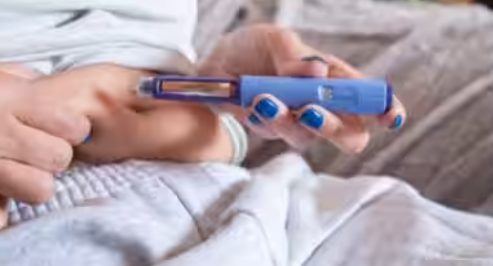
Experts and doctors believe largescale launches will drive greater adoption of oral weight-loss pills compared to injectables.
“With pills like oral Wegovy (semaglutide from Novo Nordisk), Foundayo (orforglipron from Eli Lilly) and newer options from China, treatment could become cheaper and easier,” said Rajiv Kovil, a Mumbai-based diabetologist. Many of these pills such as Lilly’s orforglipron, Huadong Conveglipron, and Hengrui’s HRS 7535 are non-peptides or small molecules entailing lower manufacturing cost, allowing scope for scalability and greater potential for mass adoption.
“Unlike injections, these tablets don’t need cold storage and are more convenient which matters a lot in India,” said Kovil, adding that this could lead to a rapid shift towards oral therapies, improving access for many patients.
The weight-loss efficacy of many of these oral options are in the range of 10-16%.
Experts said Indian companies are expected to partner with Chinese firms for clinical development and commercial rights of oral pills, similar to existing partnerships in the injectable space like Lupin’s partnership with Gan & Lee Pharmaceuticals for twice-a-month injectable GLP-1 drug Bofanglutide.
“With pills like oral Wegovy (semaglutide from Novo Nordisk), Foundayo (orforglipron from Eli Lilly) and newer options from China, treatment could become cheaper and easier,” said Rajiv Kovil, a Mumbai-based diabetologist. Many of these pills such as Lilly’s orforglipron, Huadong Conveglipron, and Hengrui’s HRS 7535 are non-peptides or small molecules entailing lower manufacturing cost, allowing scope for scalability and greater potential for mass adoption.
“Unlike injections, these tablets don’t need cold storage and are more convenient which matters a lot in India,” said Kovil, adding that this could lead to a rapid shift towards oral therapies, improving access for many patients.
The weight-loss efficacy of many of these oral options are in the range of 10-16%.
Experts said Indian companies are expected to partner with Chinese firms for clinical development and commercial rights of oral pills, similar to existing partnerships in the injectable space like Lupin’s partnership with Gan & Lee Pharmaceuticals for twice-a-month injectable GLP-1 drug Bofanglutide.
Chinese oral drug options could also be more affordable compared to injectables.
Doctors said oral GLP-1 will be helpful for the needle phobic population and 10-15% weight loss on oral drugs can breach the gap in patients who are needle phobic.
India’s healthcare system is predominantly oral-driven, with over 75% of patients preferring oral therapy.
“Many patients don’t want injectable therapy or are borderline overweight and feel that injectable is too much to handle, or fear that injections cannot be taken lifelong, and for them adherence will be more with oral drug,” said Kovil. Patients who have achieved weight loss can also maintain themselves through oral drugs.
Eli Lilly is expected to launch its non-peptide GLP1 tablet Orforglipron in India by this year-end, said people familiar with the matter.
“Oral formulations represent an important evolution within the GLP-1 space because they have the potential to expand access,” said Winselow Tucker, India head at Eli Lilly. “As Lilly’s second obesity management medication, the oral formulation will complement the company’s growing portfolio of weight loss innovations, not replace it, by offering a new once-daily pill, broadening treatment choices for HCPs.” He didn’t elaborate on the India launch timeline.
Among other companies developing oral GLP1 is US-based Structure Therapeutics that is working on a non-peptide GLP1 Aleniglipron (Phase 2). Novo launched its oral semaglutide Rybelsus in India in 2022, used in the treatment of Type 2 diabetes. Rybelsus has so far grossed a total sales ₹500 crore in India.