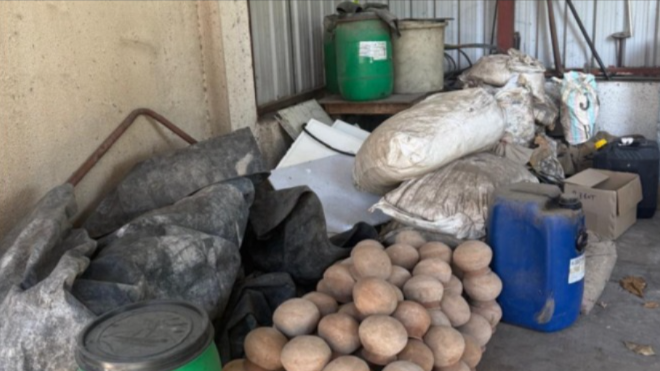
Mumbai/Pune: In a major regulatory enforcement action aimed at safeguarding public health, the Maharashtra Food and Drug Administration (FDA) has permanently cancelled the Ayurvedic drug manufacturing licence of Pune-based M/s Inducare Pharma Pvt. Ltd. after inspections revealed extensive violations of Good Manufacturing Practices (GMP), poor hygiene conditions, deficient documentation and the manufacture of multiple medicines that failed quality standards.
The action was taken against the company’s manufacturing facility located at Jejuri MIDC in Purandar taluka, Pune district, following an inspection that found violations of the provisions of the Drugs and Cosmetics Act, 1940, the Drugs and Cosmetics Rules, 1945, and Schedule-T, which prescribes GMP requirements for Ayurvedic, Siddha and Unani (ASU) medicines.
According to the Maharashtra FDA, inspectors discovered several critical deficiencies during the inspection that raised serious concerns about the safety, quality and traceability of medicines manufactured by the company.
Among the major violations, the manufacturer allegedly failed to maintain proper records demonstrating the use of approved Ayurvedic raw materials in the manufacturing process. Batch Manufacturing Records (BMRs) were found to be incomplete and did not contain essential details such as raw material batch numbers, testing reports, production yields and distribution records. Inspectors also reported the absence of equipment logbooks, cleaning records and process validation documentation, indicating serious lapses in quality assurance systems.
The inspection further exposed unhygienic manufacturing conditions within the facility. FDA officials found dirty production areas, damaged sieves, contaminated suction filters, oil deposits on equipment and even the use of paper inside manufacturing machinery. The premises also lacked adequate pest control measures and proper monitoring of humidity, both of which are essential for maintaining product quality and preventing microbial contamination.
Despite the company’s claim that it carried out microbiological testing of its products, the FDA found that the manufacturing unit did not possess the required microbiology laboratory, testing equipment or documentary evidence to support such testing. The absence of these facilities cast doubt on the reliability of the firm’s quality control practices.
As part of the regulatory investigation, samples of the company’s products were analysed by the Government Analyst, Maharashtra. The laboratory declared six Ayurvedic medicines as “Not of Standard Quality (NSQ)” after they failed prescribed quality and safety parameters.
The affected products include:
- Sinhanad Guggul – found with fungal growth, black spots and failed microbial testing.
- Punarnavadi Mandur – showed fungal contamination and exceeded permissible microbial limits.
- Triphala Guggul – failed prescribed microbial quality standards.
- Kanchanar Guggul – contained excessive microbial count, yeast and mould.
- Hingvastak Churna – contained excessive ash, insects, larvae and foreign matter.
- Triphala Churna – found with lumps, insects, larvae and other foreign matter.
Following these findings, the FDA directed the company to immediately stop manufacturing activities and issued a show-cause notice seeking an explanation for the violations. The company was also granted a personal hearing in accordance with due process.
However, according to the regulator, Inducare Pharma failed to provide satisfactory explanations or produce evidence demonstrating compliance with statutory quality and manufacturing requirements. Consequently, the Maharashtra FDA permanently revoked the company’s Ayurvedic drug manufacturing licence.
Commenting on the action, FDA Commissioner Tukaram Mundhe reaffirmed the regulator’s commitment to ensuring that only safe, effective and quality medicines reach consumers. He stated that strict enforcement action would continue against manufacturers that violate regulatory standards or compromise public health through substandard manufacturing practices.
The enforcement action is being viewed as one of the strongest recent measures by the Maharashtra FDA against an Ayurvedic drug manufacturer and underscores increasing regulatory scrutiny of compliance with Schedule-T Good Manufacturing Practices. The case also highlights the importance of robust documentation, validated manufacturing processes, hygienic production environments and scientifically supported quality control systems in ensuring the safety and efficacy of traditional medicines.
Source : Mid-Day