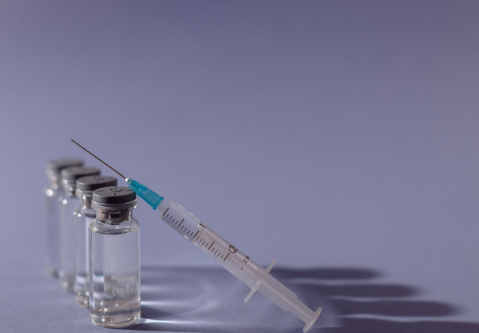
Neary a half-century ago, the Bengal Chemicals & Pharmaceuticals Ltd. (BCPL) forayed into the production of the anti-snake venom serum (ASVS) in India is now keen to start its production again as this is a life-saving medication, and a shortage of which became the reason for the death of hundreds of people. There is no evidence for the exact year when 118-year-old heritage company producing ASVS, but it was somewhere around the 1920s, as per company official.
BCPL was the first Indian home-grown pharmaceutical company producing Anti-Snake Venom Serum and capacity was about one lakh vials. BCPL company had its units in West Bengal, Uttar Pradesh, and Maharashtra.
In India, snake bite morbidity is high with over one million bites annually, as per several reports and ASV is an antidote to the snake venom action and given free in government hospitals. But a very few of Pharma companies producing ASVS in India.
in March 2016, J. P. Nadda, Union Health, and Family Welfare Minister shared in an informed Parliament statement that data regarding deaths reported due to non-availability of ASV is not maintained centrally.
In 2013-15, 3,252 deaths because of snake bites were reported in West Bengal, Odisha, Madhya Pradesh and Uttar Pradesh accounting for the highest numbers.
BCPL produced ASVS at its Maniktala unit in east Kolkata till 2006-07. P. M. Chandraiah, BCPL’s director finance and managing director told to the media that the production had to be stopped due to the shortage of GMP compliance at the unit.
And presently, BCPL has enough profits and keen to start producing ASVS again and just waiting for government approval to resume production at the Maniktala unit. Chandraiah also shared that around Rs. 30 crores of investment required as a capital expenditure that will lead to generating an Rs. 30 crore turnover with four lakh vials capacity. The company will adopt the equine plasma method to produce ASVS which needs horses.
The company productions are under the Pharmaceuticals Department of the Union Chemicals and Fertilizers Ministry and its products are manufactured in the three categories – industrial chemicals, pharmaceuticals, and home products.
In 2017-18, Pharmaceuticals has the largest share in its turnover ( 64%), followed by cosmetics and home products (31%). The company is also planning dedicatedly to start producing anti-cancer drugs, cardiovascular medicines, and hypolipidemic drugs. ASVS project seems growth opportunity to BCPL.