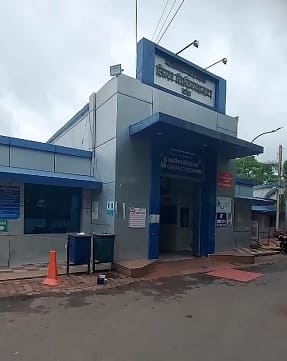
Damoh: The investigation report of the case of death of four women in the caesarean operation done for delivery in Damoh District Hospital has come out. A shocking revelation has been made in it. In this, the antibiotic injection has been found to be infected.
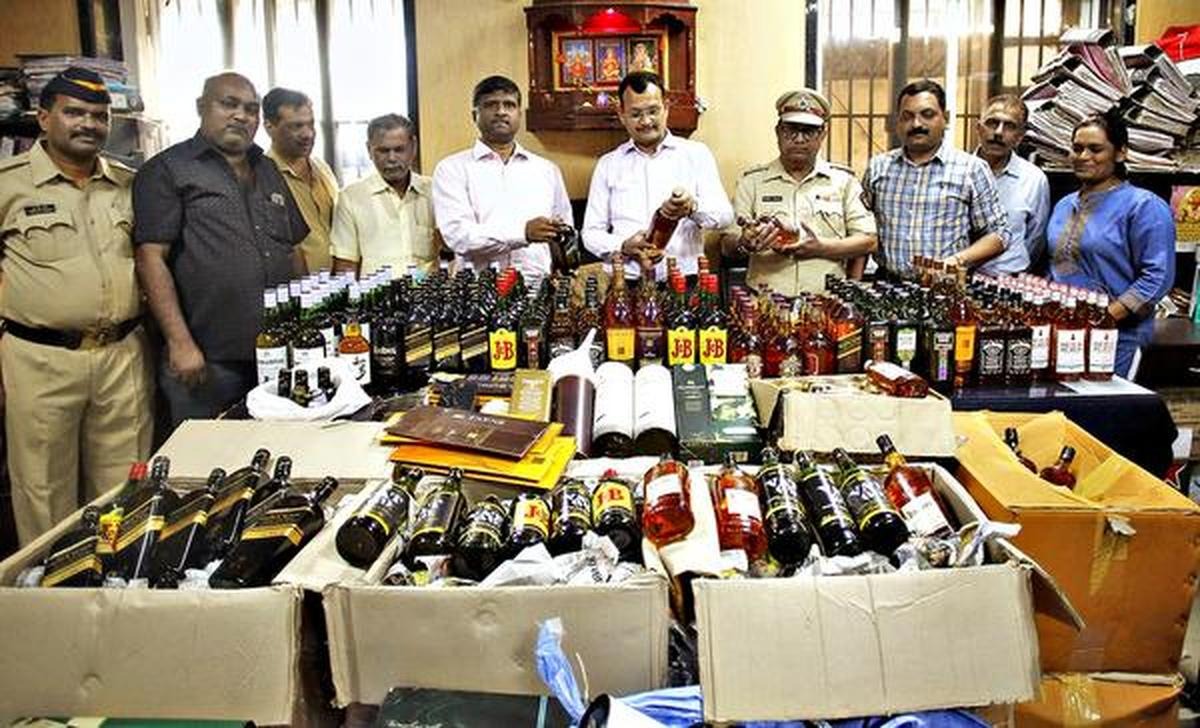
In the case of four women dying one by one after caesarean operation in the district hospital on July 4, samples of 9 medicines were sent to the Central Drugs Laboratory, Kolkata for testing.
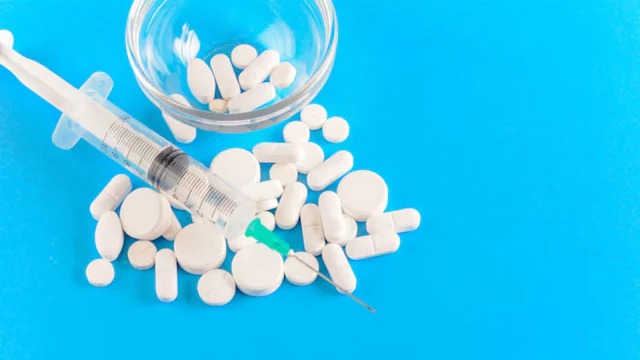
Reports of five of them came after 100 days and one of these drugs (Antibiotic injection) has turned out to be positive. This antibiotic injection was given to all the four women (Safe Tri Zone) after the caesarean operation. After the report came a week ago, this substandard injection has been banned in government hospitals across the state.
In this case, serious negligence of Small Industries Corporation and pharmaceutical companies has come to light. The samples of the company from which the government purchases medicines are tested first. After that these were supplied, but here questions are being raised about the compliance of this rule. Substandard antibiotic injections kept being supplied and women kept getting them. This investigation report, which came to the officials a week ago, was also hidden.
District Drugs Inspector Mahima Jain said that after the death of four women in the district hospital, samples of 9 such medicines, which were used during the operation of the women, were sent to Kolkata one by one for testing. The report of five of these samples has come from the lab. Among these, the antibiotic injection has been found to be infected. Senior officials have been informed about this. This medicine has been recalled from everywhere. This injection was used only in government district hospitals, which has now been completely stopped. The test report of four samples is still awaited.
Before purchasing the medicines at the government level, their samples are tested. If the report is found correct, then the supply is made. If any irregularity is found in between, then the supply is stopped. In this, the district small industries corporation also bears the expense of testing the samples. Earlier, the government used to purchase medicines directly, in which there were no questions raised on the quality. Now the generic medicines which are coming for distribution in government hospitals, there is no information about their quality and performance.