
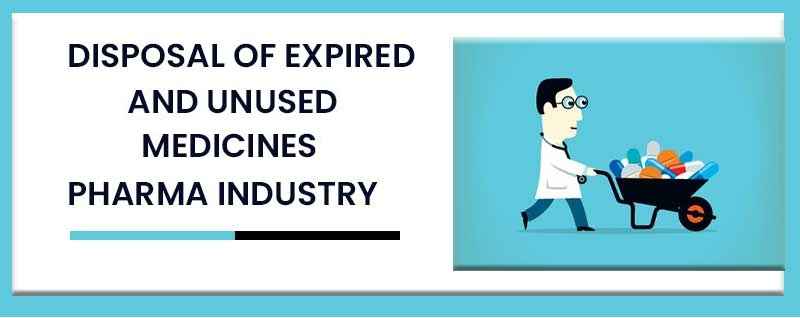
New Delhi: The Central Drugs Standard Control Organization (CDSCO), India’s apex drug regulator, is framing guidelines for disposal of expired and unused medicines to prevent their misuse and to curb anti-microbial resistance (AMR) in drugs.
AMR occurs when bacteria, viruses and fungi become immune to drugs over time, making it harder to treat ailments. This move assumes significance given that AMR has become a public health threat in India.
“This initiative also aims to curb the antimicrobial resistance of drugs due to wrong methods of discharging drugs and chemicals into the environment which is a threat to the environment, causing serious problems to aquatic life and negative impact on the ecosystem,” said a government official aware of the matter.
A report on the matter by a sub-committee of the government’s Drugs Consultative Committee (DCC), along with the guidance document on safe disposal of unused/expired medicines, was discussed in detail by the DCC.
“The DCC agreed in principle with the report of the sub-committee and the guidance document and recommended that the sub-committee look into the procedures mentioned under the draft guidance document related to disposal of expired/ unused medicine by the general public before finalization,” the official added.
Queries sent to the health ministry remained unanswered till press time.
In India, spending on medicines makes up a substantial proportion of healthcare expenditure, yet there is no proper channel to utilize unused medicines which are within their shelf life. Some western countries like the US have a drug take-back system in their national health care system.
The Indian pharmaceutical market is estimated to be about ₹1.8 trillion. About ₹270 crore worth of medicines are wasted because they are stored past their shelf life, said the International Journal of Pharmaceutical Research and Applications in its July issue.
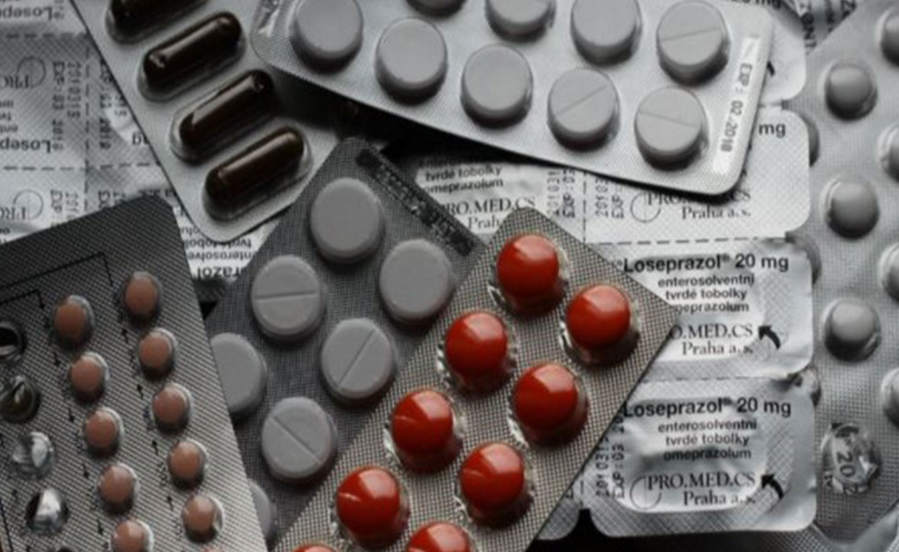
It noted that unused medicines at home can become waste for various reasons. Non-compliance, disappearance of symptoms for the disease, change in medicine or treatment and purchasing errors are the reasons why the medicine remains unused or expires at home
Experts said that there is an urgent need for proper awareness, education and guidance of patients and their families about storage and disposal practices of unused and expired medications to safeguard public health and the environment.
Rajiv Singhal, President and general secretary All India Organization of Chemists and Druggists (AIOCD) said that the total revenue of the pharmaceutical sector is about ₹2.10 trillion and not more than 2% of medicines expire.
“Largely, we do send these expired medicines to the incineration site of the company for the destruction of drugs. But medicines which remain unused and expired at home need to be disposed of carefully. It should not be thrown in garbage as it can be consumed by animals and can cause environmental damage. We also train pharmacy owners for safe and proper disposal of medicines,” Singhal said.
Dr. Santy Sajan COO Paras Health said, “The issue of expired medicines is both a significant economic loss and a concern for public health. Expired drugs can lead to serious health problems when consumed. Improper disposal, such as flushing medicines down the toilet or throwing them in the trash, can lead to contamination of water supplies and soil. We hope that the guidance note will provide detailed procedures for the collection, storage, transportation, and disposal of such drugs, ensuring they are managed in a way to protect the environment and public health.”






%20In%20Drug%20Development)