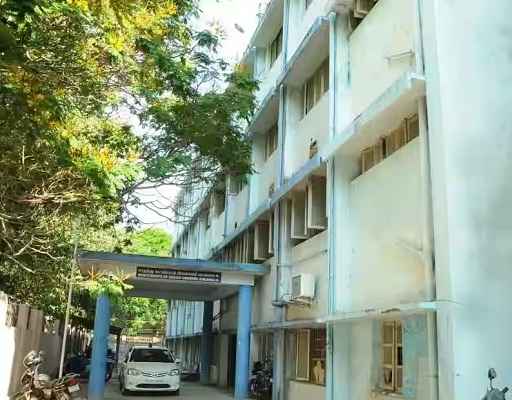
Chennai: The digital transformation of the drugs control administration (DCA) in Tamil Nadu has increased the efficiency of the licensing processes and reduced the challenges of the applicants in submitting documentations, says M Sridhar, drug controller of the DCA.
Now, over 30 services under the drug control and food administration (DC&FA) have been brought under digital transformation to enable easy and time-bound service deliveries.
Until five years ago, the processes of submission of applications and issuance of licenses were carried out manually which had led to inordinate delay for completing the processes, and both the department and the applicants, especially retail pharmaceutical outlets, faced myriad challenges. As a result of this digital initiative, the pharmaceutical manufacturers and traders now have access to an easy and transparent digital licensing system which improves the interface between the government and the stakeholders.
Commenting on a research study conducted by a group of research scholars about the operation of the drug control department in Tamil Nadu, Sridhar said in the year 2020 a digitization initiative of over 200 government services including that of the drug control department was undertaken by the government’s nodal investment promotion agency, Guidance, which took nearly four years to complete the project. As a result of it, the drug control department is completely digitised and the licensing system has become transparent and easy.
The study report says that the digitization of the drug control administration has eased down the challenges faced by the license seekers, especially the retail medical shops who complement the public health system in improving the access to medicines. In the erstwhile practice of licensing system, the applicants had either to visit the department office physically and submit the required documentation along with applications and concerned fees, or to depend on third parties who run common service centres (CSC) called ‘e-seva centres’ and submit the documents and applications with concerned fees to the persons in charge of the centre, who will forward the applications to the office.
Both these methods had often put the applicants into difficulties. These challenges and difficulties were pointed out by license seekers including numerous medical shops as these problems often stymied the retail pharmaceutical sector from complying with regulatory requirements in a timely manner. Similarly, the department was also facing problems in granting or issuing the licences including renewals on time. Now, with the digitisation transformation of the department, all these hurdles were addressed and the licensing system has become easy and transparent to enable the public for access to over-the-counter drugs and other medications, says the study report.
Speaking to Pharmabiz on the significance of digitisation, the drug controller said digital transformation initiatives empower the citizens and business groups to access their rights or services and enable government to create new capability and improve its performance and efficiency, which are, in turn, expected to improve the service delivery and provide work relief to the officers within the public institutions. This transformation also allows the officers to focus on more qualitative aspects of service delivery. Digital initiatives do not just impact accessibility and quality of public services but also affect the way other functions such as policy making, regulations, enforcement, and administration are performed, Sridhar pointed out.
In addition to the ease of filing applications, the digitisation has also helped the applicants to save money from submitting applications. The study report says that the previous e-seva centres used to collect Rs. 451 as service charge for filing one application, whereas there is no such fee levied on the users of the Tamil Nadu Single Window Portal (TNSWP), on which the applications are filed. The research scholars also selected the TNSWP for their study and interviewed 77 e-seva applicants for their responses.
Arpan Subhashish Barik, Karunakaran Zachariah, Ajith Asha, Appadurai Karthik and Ganesan Kannan are the persons who conducted a research study on the performance of the drug control department.