 New Delhi: As the world observes Haemophilia Day (April 17) amid COVID-19 pandemic, experts have urged the bleeding disorders community to take extra precaution and said individuals of any age with blood disorders such as haemophilia disease are at an increased risk of developing serious COVID-19 symptoms.
According to experts, individuals with chronic medical conditions, such as haemophilia, should take extra precautions to minimize the risk of getting COVID-19. They should take measures to keep their blood pressure in check and follow general guidelines. Patients should consult their healthcare providers if they show any COVID-19-like
“Currently the world is going through the SARS COV-2 pandemic, the people with haemophilia need to understand that they are at increased risk of developing serious COVID-19 symptoms. They should stock up on necessary medications and supplies that can last for a few weeks and stay at home as much as possible, avoid crowds and non-essential travel, said Dr Divya Bansal, Consultant of Clinical Hematology and Bone Marrow Transplant Manipal Hospitals, Dwarka.
Haemophilia is a rare condition in which the blood does not clot properly. Proteins called clotting factors are present in the blood, which works with platelets to stop bleeding at the site of an injury. People with haemophilia produce lower amounts of either Factor VIII or Factor IX (clotting factors) than those without the condition. This means the person tends to bleed for a longer time after an injury, and they are more susceptible to internal bleeding.
As per World Federation for Haemophilia, there are about 18,000 haemophilia patients in India, 80% of these have Haemophilia A (Factor VIII deficiency) and another 20% have haemophilia B (Factor IX deficiency).
 “Haemophilia is normally an inherited disorder. It happens because of a defect in one of the clotting factor genes on the X chromosome. The chronic bleeding condition tends to occur in males, since the gene can be passed from mother to son. Women can also be carriers of haemophilia, but they are unlikely to have the disorder,” said Dr Bansal.
Symptoms of haemophilia include excessive bleeding and easy bruising. The severity of symptoms depends on how low the level of clotting factors is in the blood. External bleeding can occur from wounds, cuts or dental injury. Internal bleeding occurs commonly in joints like the knee, ankle, elbow, leading to permanent joint deformity. Sometimes bleeding can occur in the brain and other vital organs. If a person has bleeding problems, or if haemophilia is suspected, the person’s family and past medical history of bleeding are vital, as this can help to identify the cause. Blood test results can identify the type of haemophilia and its severity.
Therapies
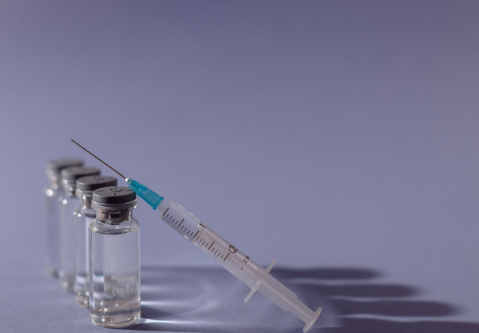
“Ideal replacement therapy is to replace the factor prophylactic ally, 2-3 times a week by commercially available recombinant or plasma-derived factor concentrates. Haemophilia is treated with replacement therapy, i.e. to replace the missing factor. But due to cost restraints, most of the patients in developing country like India end up getting on-demand therapy, i.e. factor concentrate is given only in case of active bleeding,” added Dr Divya Bansal.
For pregnant women who are carriers of haemophilia, the present day technologies allow doctors to be able to test the fetus for the condition after 10 weeks of pregnancy.
In near future, Gene therapy may be available as preliminary results of this therapy are very promising and it may practically cure the patient.
Life style modification and other supportive therapies include regular exercise, avoiding certain medications like aspirin, no steroidal anti-inflammatory drugs, and blood thinners and practicing good dental hygiene.