Ten years after prohibition, Bihar faces a rising narcotics crisis, with increasing NDPS cases, record seizures and a growing number of youngsters seeking rehabilitation.
Patna: A decade after Bihar imposed total prohibition, the state isn’t completely free of addiction. Instead of liquor, narcotics and synthetic drugs abuse has become a challenge. Social workers and former addicts reason that the availability of substances such as heroin, smack, brown sugar, cannabis, codeine-based cough syrups, narcotic injections, and synthetic drugs are easily available and that attract young people into addiction.
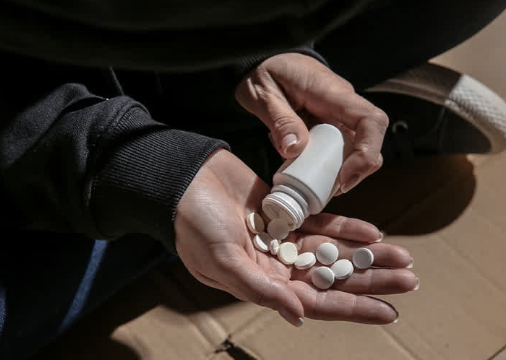
Raj Kumar, a resident of Hajipur, has been undergoing treatment at a de-addiction centre for the past five months. He is a smack addict, which he said was introduced to him by a colleague at a poultry farm he used to work. “I started with bidis, but later started consuming smack because my co-workers used it,” he said. He accepted that rehabilitation has been difficult, but it has helped him.
Social worker Ras Bihari, associated with a de-addiction centre, said prohibition had altered the pattern of substance abuse in Bihar. “After liquor became inaccessible, many youngsters turned to dry drugs. De-addiction centres now receive more patients addicted to smack, brown sugar, and other narcotics than alcohol,” he confirmed.
Bihari opined that rehabilitation alone cannot solve the crisis and that there is a need for awareness campaigns among parents, teachers, community organisations, and the administration. According to the Bihar government’s Prohibition and Excise Department, despite prohibition, liquor seizure continues.
According to data available, authorities seized 21.25 lakh litres of liquor in 2016-17, and 37.75 lakh litres in 2025.
In May 2026 alone, 17.36 lakh litres had already been confiscated. Apart from this, monthly liquor seizures have also increased. Average monthly recoveries have gone up with 9 per cent in 2025 compared to 2024 and by another 18 per cent during the first five months of 2026.
Cases registered under the Narcotic Drugs and Psychotropic Substances (NDPS) Act have increased over the years. Official figures show 697 cases were registered in 2019 under the Narcotic Drugs and Psychotropic Substances (NDPS) Act. Similarly, 964 in 2020, 1,469 in 2021, 1,823 in 2022, 2,126 in 2023, and 2,411 in 2024.
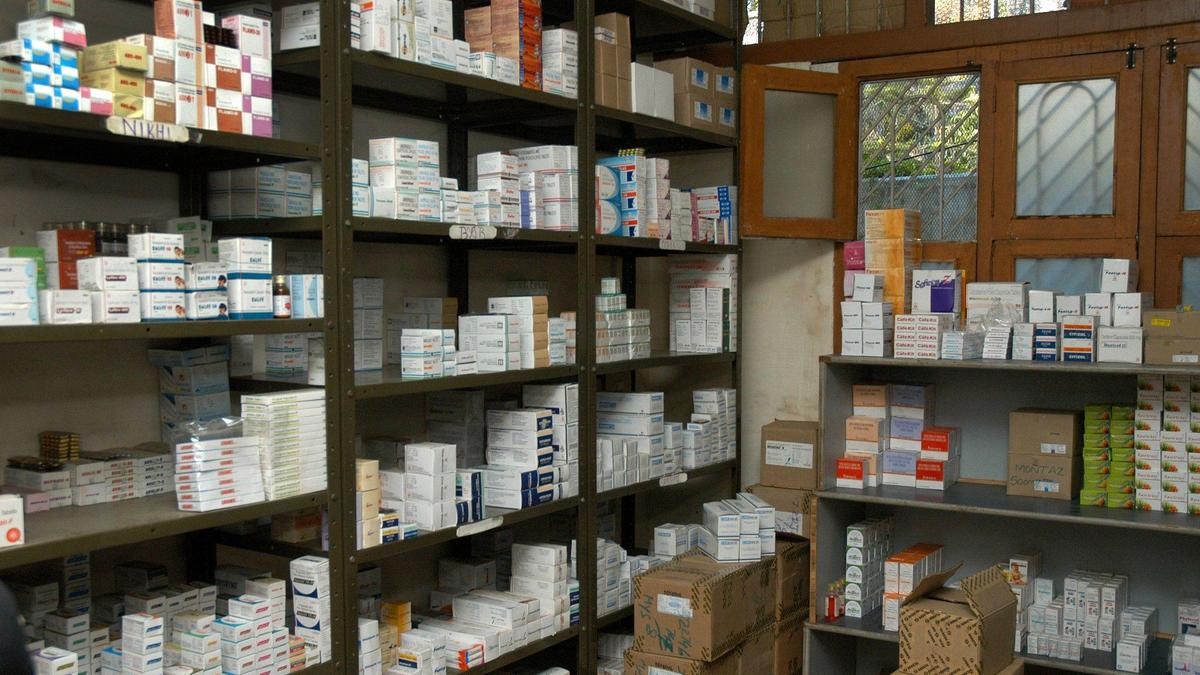
Additionally, drug seizures have also gone up. From small quantities of heroin and cannabis seizure in 2015 to 28,000 kg of cannabis, 2,400 kg of opium and poppy straw, over 3.25 lakh bottles of codeine-based cough syrup, and 3.48 lakh narcotic tablets in 2025 have been confiscated.
Officials had seized more than 21,000 kg of cannabis, 54 kg of charas, nearly 52 kg of heroin, brown sugar and smack, over 59 kg of opium, more than nine lakh narcotic tablets and capsules, 3.45 lakh injections and nearly 2.83 lakh bottles of cough syrup by April 23, 2026.
Officials say Bihar recorded over 63,000 of the 2.75 lakh narcotic injections seized nationwide, which is nearly one-fourth of the country’s total recoveries. Patna alone recorded seizures of more than 137 kg of heroin, smack and brown sugar between 2023 and February 2026. Large quantities of cannabis, charas, and codeine syrups were also recovered during the period.
Investigating agencies say narcotics enter India from Nepal and Myanmar through the Northeast as Bihar’s geographical location is a central transit route. Smugglers allegedly transport drugs by rail and operate through small modules to evade detection. Arrested traffickers have reportedly admitted that they often deliver sealed packets without knowing their contents and that the receivers are identified only through coded communication.
Border districts is also a trafficking hub as between January and mid-April this year, authorities registered 20 cases, arrested 30 traffickers and seized 404 kg of cannabis, along with brown sugar, smack and morphine tablets. Drug trafficking has also been reported across Patna, Muzaffarpur, Purnia, Katihar, Gaya, Bhagalpur, Sitamarhi, and East Champaran.
There’s also the use of so-called “zombie drugs”, which include substances containing xylazine, a veterinary sedative intended for large animals such as horses and cows. These substances affect the brain and nervous system. The users cannot control body movements and can cause long-term immobility.
The Bihar State AIDS Control Society has reported that 11,836 of the state’s 1.06 lakh HIV patients contracted the infection through shared needles used for injecting drugs. The high cost of narcotics often leads multiple users to share syringes, which increases the risk of HIV and other blood-borne infections.
Meanwhile, the number of de-addiction centres has increased since prohibition was introduced. Bihar had only around 13-14 rehabilitation centres before 2016. Today, Patna alone has more than 20 centres, while nearly 200 government and private rehabilitation facilities are recorded to be operating across the state.
Ankur Kumar, a social worker engaged in drug de-addiction awareness campaigns, said that every year between 8,000 and 15,000 Google searches are made to locate de-addiction centres. “Once people become addicted, they often become aggressive and violent. Many resort to theft and snatching to finance their addiction and, in some cases, even steal from their own family members,” Kumar said.
He added that people aged 12 to 75 years are admitted to de-addiction centres with the consent of their families and usually require three to six months of rehabilitation. “After they are discharged, we advise family members to treat them with love and not constantly remind them of their past mistakes. Families that provide emotional support have seen almost 100 per cent success,” Kumar said.
According to Dr Vikas, cannabis worth Rs 2,669 crore was seized across India in 2023, of which seizures worth Rs 91 crore were made in Bihar. Similarly, heroin worth Rs 2,000 crore was confiscated nationwide, with Rs 40 crore worth of heroin seized in Bihar.
“The government and law enforcement agencies need to enforce drug laws more strictly. At the same time, academic institutions should conduct research on drug abuse, and the government should formulate evidence-based policies based on those findings,” Dr. Vikas said.
Former IPS officer Prantosh Kumar Das said community policing could play an important role in cracking down on local drug networks. On the other hand, economists call for evidence-based policymaking. Patna police said enforcement has been intensified and narcotics worth nearly Rs 45 crore have been seized over the past three to four months.
Chief Minister Samrat Choudhary recently informed the Assembly that 2,161 NDPS cases were registered in 2025 and 3,520 people were arrested. He also said a State Narcotics Bureau was established in September 2025 to strengthen anti-drug operations.
Bihar Prohibition and Excise Minister Madan Sahni said that the liquor prohibition law would continue to remain in force and that strict action would be taken against those involved in the illegal drug trade.