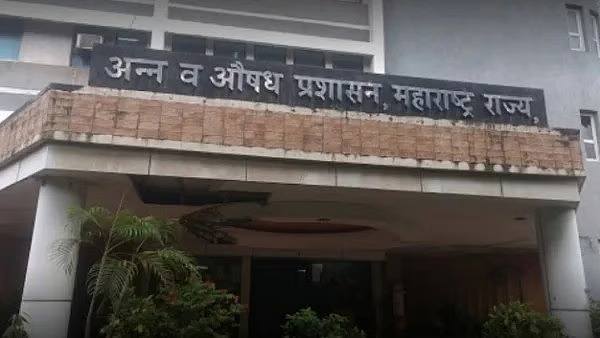
Maharashtra’s Food and Drug Administration (FDA) has significantly increased laboratory testing of medicines and cosmetics, with 3,020 samples collected and 2,112 examined between June and August 2026. Of the drug and cosmetic samples tested, 108 were found to be non-compliant, including eight spurious, 93 not of standard quality and seven misbranded samples, prompting regulatory action against the concerned manufacturers and distributors.
The increase in testing forms part of Maharashtra FDA’s broader regulatory effort to strengthen quality surveillance of medicines and cosmetics available in the state. The administration is using laboratory examination, inspections, market surveillance and enforcement proceedings to identify products that do not meet prescribed standards and to prevent their continued manufacture or distribution.
Between June and August 2026, Maharashtra FDA laboratories received a total of 37,604 samples across regulated categories, including 3,020 samples of medicines and cosmetics. Testing was completed for 32,604 samples during the period, of which 2,112 were medicines and cosmetics. Among these, 2,004 samples were found to meet standard quality requirements, while 108 were classified as non-compliant.
The drug and cosmetic findings comprised eight spurious samples, 93 samples declared not of standard quality and seven misbranded samples. The findings have resulted in legal and regulatory action against the concerned entities in accordance with the provisions of the Drugs and Cosmetics Act, 1940 and the Drugs and Cosmetics Rules, 1945.
The sharp increase in drug and cosmetic testing represents a substantial expansion compared with 2025-26. Maharashtra FDA recorded an average increase of 175 per cent in the number of drug samples collected and a 165 per cent increase in the number tested compared with the previous financial year. The administration has also stated that, over the last three months, the collection and testing of medicine and cosmetic samples increased by about four times compared with the corresponding monthly pace of the previous year.
During the entire 2025-26 financial year, 47,600 samples covering food, medicines and cosmetics were collected, of which testing was completed for 33,119 samples. The monthly average during that year was 3,967 samples collected and 2,760 samples tested. In comparison, during June-August 2026, the administration collected an average of 12,534 samples a month and completed testing of an average 10,868 samples a month across the categories covered by its laboratories.
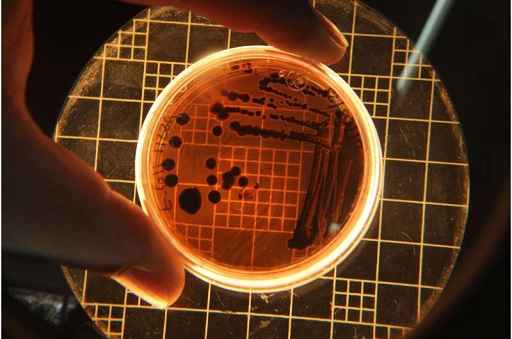
For medicines and cosmetics, the increased testing is intended to strengthen regulatory oversight of products circulating through the manufacturing and distribution chain. Laboratory reports provide the basis for determining whether a product meets prescribed standards relating to quality, identity and compliance. Products found to be substandard, spurious, misbranded or otherwise non-compliant can trigger enforcement proceedings against manufacturers, distributors, sellers and other entities involved in the supply chain.
The Maharashtra FDA operates three drug-testing laboratories in Mumbai, Chhatrapati Sambhajinagar and Nagpur. These facilities form an important part of the state’s regulatory system for examining medicine samples collected during inspections and market surveillance. The administration is also undertaking risk-based inspections of manufacturers and distributors, investigating complaints and initiating legal proceedings wherever laboratory findings or other regulatory evidence indicate violations.
The increased laboratory workload is therefore aimed at shortening the gap between sample collection and testing while expanding the regulatory department’s ability to detect medicines and cosmetics that fail to comply with statutory quality requirements. The approach also seeks to strengthen monitoring beyond manufacturing facilities by examining products available through the distribution and market network.
Maharashtra FDA Commissioner Tukaram Mundhe said the administration would continue monitoring the medicine and distribution system to protect public health. “Continuous monitoring is being carried out to safeguard public health. If substandard, counterfeit, adulterated, or non-compliant products pose a risk to citizens’ health, strict legal action will be taken against those involved in the manufacturing and distribution systems,” Mundhe said.
The FDA’s action underscores the role of laboratory testing as a key enforcement mechanism under the Drugs and Cosmetics Act. By expanding sample collection and testing, the Maharashtra regulator is seeking to identify quality failures at an earlier stage and ensure that medicines and cosmetics supplied to consumers comply with the applicable regulatory standards.