New Delhi: A joint operation by the Delhi Police Crime Branch, the Central Drugs Standard Control Organisation (CDSCO) and the Gautam Buddha Nagar District Drug Department uncovered a suspected illegal pharmaceutical distribution network after seizing life-saving medicines valued at approximately ₹2.48 crore from a flat in Sector-76, Noida. The seizure includes anti-cancer medicines, anti-rabies vaccines, anti-snake venom serum, immunoglobulins and several imported pharmaceutical products. Investigators are now probing possible diversion of medicines from government healthcare programmes, violations of cold-chain requirements and links to an organised interstate network with possible international connections.
Joint Raid Leads to Seizure of High-Value Medicines
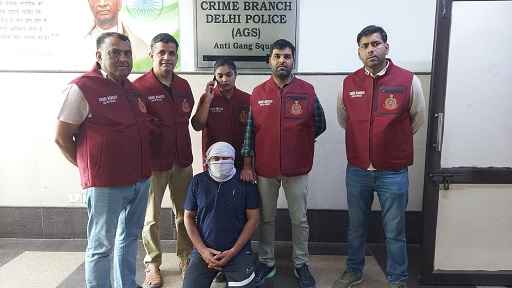
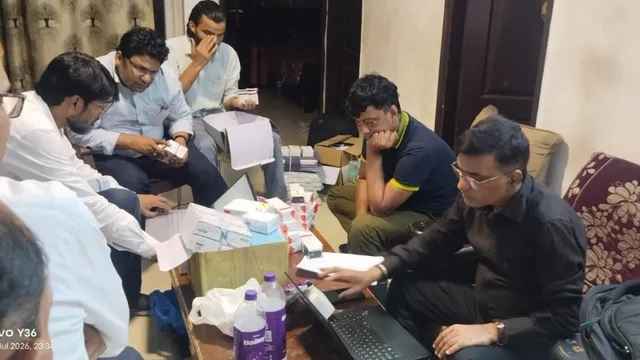
The raid was conducted following intelligence inputs indicating that a residential apartment was being used to stock and distribute expensive pharmaceutical products outside authorised channels. Officials recovered a large quantity of tablets, capsules, injections, vaccines and biological medicines with an estimated market value of ₹2,48,66,658. Several medicines manufactured by reputed pharmaceutical companies were also found during the operation. One accused, identified as Anand Kumar, was arrested from the premises and is being questioned regarding the procurement, storage and distribution of the seized medicines.
Government Supply Medicines Found Among Seized Stock
One of the most significant findings during the investigation is the recovery of medicines carrying the label “Government Supply – Not for Sale.” This has raised serious concerns that medicines intended for government hospitals or public health programmes may have been illegally diverted into the commercial market.
Investigators are also examining whether part of the recovered stock originated from procurement channels linked to the Government of Bihar. However, officials have indicated that this aspect will be confirmed only after verification of batch records, procurement documents and official supply-chain data.
Anti-Snake Venom Supply Network Under Scanner
The investigation has also revealed that anti-snake venom injections recovered during the raid were allegedly sourced through Bihar and supplied from the Noida premises to African nationals residing in the National Capital Region. Authorities are now examining whether these biological products were being supplied for legitimate medical treatment or diverted through unauthorised domestic or international channels.
Given the specialised nature of anti-snake venom serum, investigators are expected to verify procurement records, distribution routes and end users while examining possible violations of drug control laws.
Cold-Chain Violations Raise Patient Safety Concerns
Investigators reportedly found that several temperature-sensitive medicines, including anti-cancer drugs, anti-rabies vaccines, anti-snake venom serum and immunoglobulins, were allegedly stored at room temperature instead of the recommended 2°C to 8°C cold-chain conditions.
Medical experts caution that failure to maintain the prescribed storage temperature can significantly reduce the potency and therapeutic effectiveness of biological medicines, potentially compromising patient safety even if the products are otherwise genuine. The alleged storage violations have therefore become a major focus of the investigation.
Valid Drug Licence Adds New Dimension to Investigation
During the raid, officials also recovered a wholesale and retail drug licence, reportedly valid from 2022 to 2027, from the arrested individual. Drug Control authorities are now verifying whether the licence holder complied with the conditions of the licence or whether it was allegedly used to facilitate unauthorised procurement, storage or distribution of medicines.
The investigation will examine purchase invoices, stock registers, distribution records and statutory documentation to determine whether the seized medicines were lawfully acquired and handled in accordance with the Drugs and Cosmetics Act, 1940 and the applicable Rules.
Samples Sent for Quality and Authenticity Testing
Officials have drawn samples of eight pharmaceutical products and forwarded them to an authorised government laboratory for detailed analysis. Besides routine pharmacopoeial quality testing, investigators are expected to verify batch numbers, packaging authenticity, manufacturing records and regulatory compliance.
The laboratory findings, together with documentary verification, will help determine whether the medicines are genuine, counterfeit, diverted from government supply, improperly stored or otherwise involved in regulatory violations.
Digital and Financial Investigation Underway
Authorities are conducting an extensive examination of the accused’s mobile phone, banking transactions, financial records and electronic documents to identify the broader structure of the alleged network. Investigators are also analysing transport records, procurement documents and digital communications to trace the movement of medicines across states and identify other individuals or entities involved.
Officials believe the case may extend beyond illegal stocking of medicines and could involve a well-organised network engaged in the procurement, transportation and diversion of high-value pharmaceutical products.
Public Health and Regulatory Implications
The seizure highlights growing concerns over the illegal diversion of life-saving medicines, particularly products requiring strict cold-chain maintenance and controlled distribution. Diversion of medicines marked “Government Supply – Not for Sale” not only undermines public healthcare programmes but may also deprive patients in government hospitals of access to essential treatment.
Regulatory experts note that the investigation is likely to focus on supply-chain integrity, licence compliance, cold-chain management, product traceability and possible interstate diversion of medicines. If the allegations are substantiated, the case could lead to further enforcement action against individuals involved in the procurement, storage and distribution network, while also prompting closer scrutiny of pharmaceutical supply chains and government medicine distribution systems.