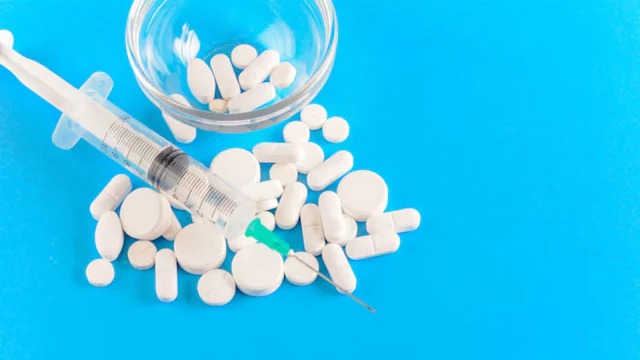
New Delhi: Medicines to treat cancer, tablets to control blood pressure, Type 2 diabetes and cholesterol: spurious drugs imitating those made by big pharma companies are at the heart of numerous fake drug rackets that have surfaced in Delhi over the last year.
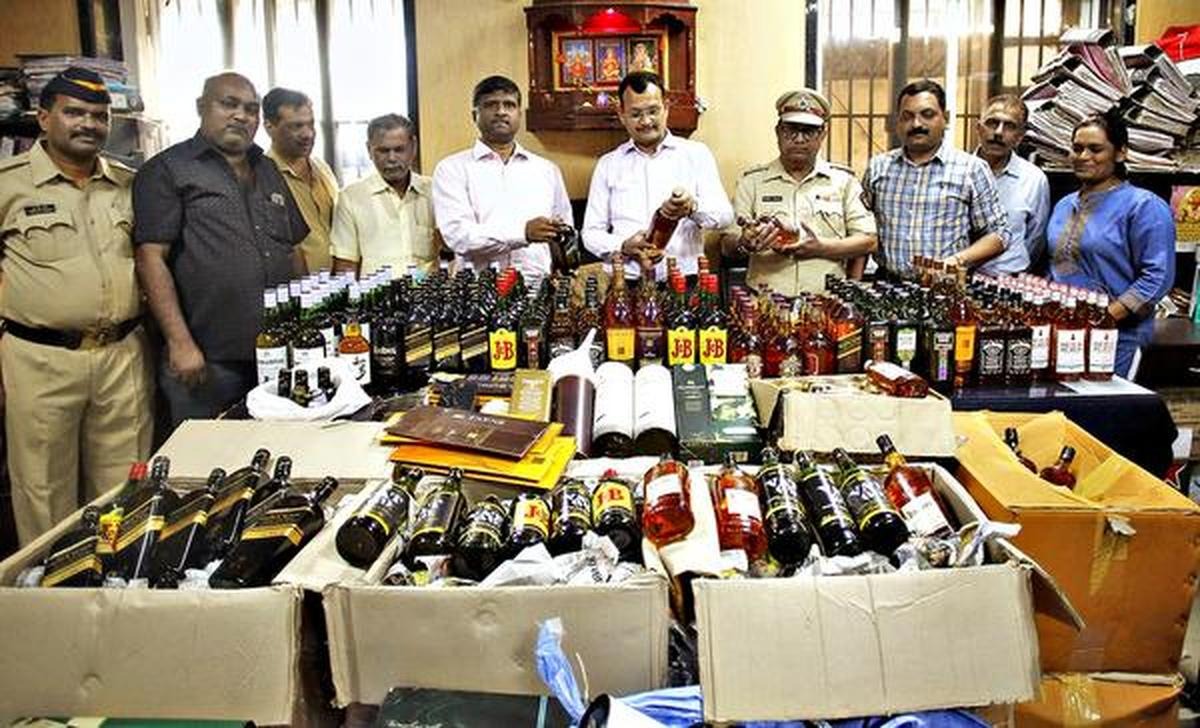
The state health department’s drug control authority has busted at least nine cases in the last 12 months where fake drugs — sporting fake labels of the original firm — were being manufactured and sold to patients by wholesalers and retailers. Just last week, one such fake anti-cancer drug racket was busted and seven people, including hospital employees, were arrested.
According to a health department official, such cases have been on the rise post the pandemic as there was a major lag in enforcement activities during Covid. “Samples were seized during routine inspections from wholesalers and based on leads received from suspected places,” the official added.
The fake medicines were being circulated in Delhi markets, especially the border areas, and in tier 3 and 4 cities in North India. “The spurious drugs were being sold in areas where there is no proper enforcement when it comes to the billing of medicines like in tier 4 cities and villages, and areas on the outskirts of Delhi,” said the official, adding, “Some of these drugs were in transit — being moved in and out of Delhi — when we busted the racket.”
Samples collected have been tested and it was found that they are mostly innocuous substances such as starch.
The official said that next, a manufacture-level inquiry will be conducted where the seized samples will be chemically matched with those originally produced by the manufacturer; experts will then find the point of difference in chemical and physical parameters.
Another official from the health department said it appears there is a nexus between retailers and wholesalers across states. For instance, in one case, drugs that were seized from a wholesaler in Vikaspuri were purchased from another wholesaler in the same area who, in turn, had purchased the stock from a wholesaler in Jaipur. The drugs control department then carried out inquiries and it was found that the firm which originally sold the drugs had surrendered its licence.
The official said a case will be filed under relevant sections of the Drugs and Cosmetics Act, 1940, while licences of these wholesalers have been canceled.
In such instances, police can’t register FIRs, make arrests, prosecute or investigate cognizable offences under Chapter IV of the Drugs and Cosmetics Act, 1940, which deals with the manufacture, sale and distribution of drugs and cosmetics. Only drug inspectors are allowed to carry out the investigation. Police come into the picture when there is a case of copyright and other violations such as cheating.
But has the number of such cases increased over the years? An official said no data was compiled during the Covid years and it’s only in the last year that enforcement increased. He said there was a shortage of enforcement staff due to which a lot of cases piled up. He pointed out that there is an urgent requirement for more enforcement at borders and remote areas in North India.