‘Where the product in question is a life-saving drug, the Court has to err in favour of public interest’, said the bench
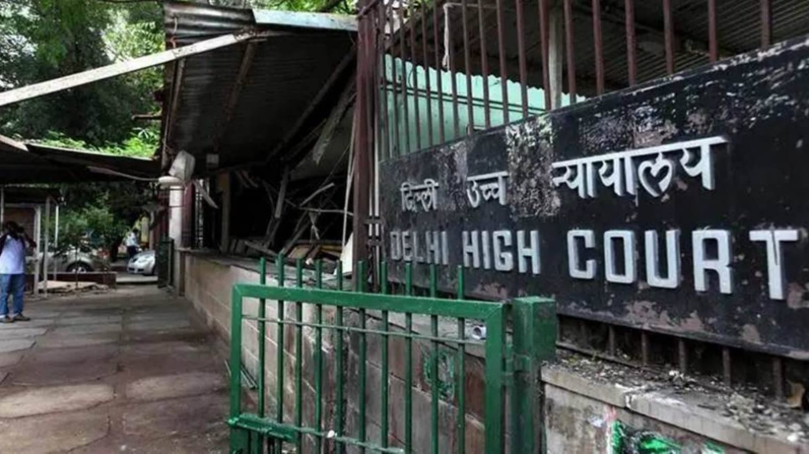
The Delhi High Court on Monday cleared the way for Zydus Lifesciences to manufacture and sell an anti-cancer drug, a biosimilar of an ER Squibb and Sons (better known as Bristol-Myers Squibb), in India.
The decision by a division bench of the High Court overturns a single judge’s decision from July 18, 2025, which had restrained Zydus from manufacturing and selling the drug, as an interim measure, in a suit by Bristol-Myers Squibb (BMS) alleging patent infringement by the Indian firm.
The relief from the division bench for Zydus comes months before the patent is set to expire on May 2 this year.
In July 2024, Zydus’ Nivolumab was recommended by the SEC’s CDSCO for grant of permission to manufacture and market. Nivolumab, the monoclonal antibody drug by BMS, is marketed in India as Opdyta.
According to Zydus, as recorded in the court’s order, treatment using Zydus’ product, “would be 70% cheaper than treatment using the respondent’s (BMS) patented drug 5C4.”
A division bench of Justices C Hari Shankar and Justice Om Prakash Shukla on Monday held that “where the product in question is a life-saving drug, the Court has to err in favour of public interest… Withholding such therapy from the public can cause untold and irreparable prejudice to lakhs of lives, and it is, therefore, only where the Court is in possession of irrefutable material to indicate that a patented product is being released in the market without permission of the patentee… that an injunction can issue.”
The division bench took into account the public interest involved, that the patent is due to expire in four months’ time, and the fact that the single judge had mapped product-to-product claim to arrive at a conclusion of prima facie patent infringement, instead of product-to-claim mapping.
Product-to-product mapping involves comparison of the plaintiff’s patented product with the defendant’s product while product-to-claim mapping is a legal test where the infringement is decided on the basis of mapping the said infringing product to the original patent claims.
Source: The Indian Express