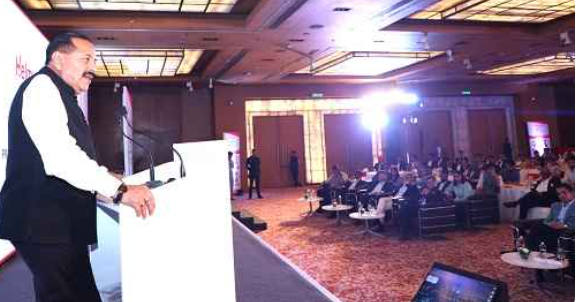
New Delhi: Union Minister Dr Jitendra Singh on Saturday said that India is steadily evolving into a robust pharma economy, which could help as a significant contributor to the country’s overall GDP.
During his address at a ‘Healthcare Summit’ here, the minister stated the nation’s pharmaceutical, medtech and manufacturing ecosystem is positioning the country as a key global manufacturing hub — particularly in high-quality, affordable healthcare solutions.
The minister said that the discussions revolved around two central themes — “Made in India” and “Quality”.
The sector is undergoing a major shift, with a strong focus on global quality benchmarks, indigenous innovation, and integration of research with industry.
Over the last 10 years, India has witnessed a transformation in healthcare, moving from a largely import-dependent system to one driven by indigenous capabilities, the minister said.
He also recalled that earlier, critical medical devices, implants and even advanced drugs were largely sourced from abroad, making treatment expensive and inaccessible for many.
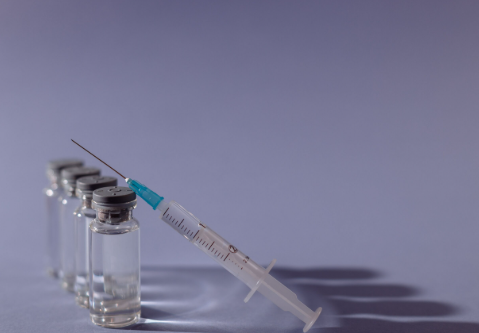
“Today, India is developing its own antibiotics, vaccines, and advanced therapies, marking a decisive shift towards self-reliance,” the minister highlighted.
Earlier, critical medical devices, implants and even advanced drugs were largely sourced from abroad, making treatment expensive and inaccessible, he noted, adding that India is developing its own antibiotics, vaccines and advanced therapies.
Regarding the COVID-19 pandemic, the minister said India not only developed indigenous vaccines but also supplied them globally, reinforcing its role as a reliable healthcare partner.
On quality standards, Singh said that “homegrown” products now match global benchmarks. “Indigenous medical devices such as stents, ventilators and diagnostic equipment are increasingly ensuring safety, efficacy and affordability.”
The minister highlighted policy initiatives such as the Promotion of Research and Innovation in Pharma-MedTech (PRIP) scheme, with an outlay of Rs 5,000 crore, aimed at shifting India from low-cost manufacturing to high-value innovation.
According to the minister, India currently accounts for around 1.5 per cent of the global medical devices market.
He said that the government is working to significantly expand this share under the National Medical Device Policy 2023.
Source : Telangana Today