Jaipur: The investigation into the deaths and critical illness of women following Caesarean deliveries at Kota’s government hospital has intensified, with a high-level medical team from Jaipur reportedly identifying serious lapses related to sterilization and hospital fumigation practices during its enquiry.
According to reports, the expert committee of senior doctors sent from Jaipur conducted a detailed inspection of operation theatres, wards, medicine usage records, infection-control systems, and treatment protocols at the hospital. During the inspection, concerns were reportedly raised regarding inadequate fumigation procedures, possible deficiencies in sterilization practices, and overall hospital management failures.
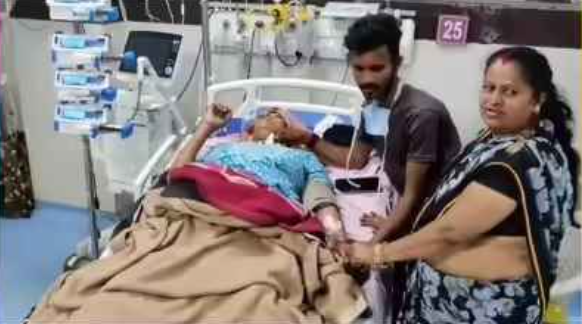
The enquiry assumes significance after two women reportedly died and several other post-delivery patients developed severe complications including kidney failure after undergoing C-section procedures at the government medical facility in Kota. The incident had triggered widespread public outrage and demands for accountability in the state’s healthcare system.
Officials associated with the probe reportedly examined whether contamination, infection-control lapses, improperly sterilized surgical instruments, or compromised medicines and intravenous fluids contributed to the deteriorating condition of patients. Preliminary observations reportedly indicated that hospital management and monitoring systems may have failed to ensure strict adherence to infection-prevention protocols.
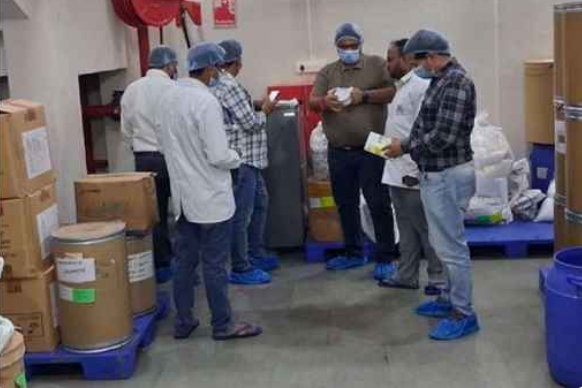
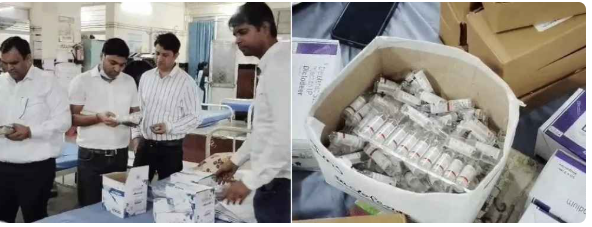
During the investigation, teams from the Food and Drug Administration (FDA) and drug control department also collected samples of glucose bottles, injections, antibiotics, IV fluids, and other medicines administered to affected women. The samples have reportedly been sent for laboratory analysis to determine whether any contamination, adulteration, or quality defects were present.
Authorities have already halted the use of certain medicine batches supplied to the hospital as a precautionary measure while the investigation continues. Officials are examining procurement records, storage conditions, batch distribution details, and sterilization logs to identify possible sources of contamination or procedural negligence.
The Dainik Bhaskar report further indicated that the Drug Controller’s office pointed toward management-related shortcomings during the enquiry process. Questions were reportedly raised over hospital sanitation systems, supervision of sterilization procedures, maintenance of operation theatres, and implementation of infection-control standards.
Kota Collector has reportedly taken cognizance of the matter and directed strict action after reviewing preliminary findings. Administrative authorities have initiated departmental scrutiny and intensified monitoring of hospital operations. Instructions were also reportedly issued regarding enhanced sanitation, proper fumigation schedules, and verification of biomedical waste handling and sterilization practices.
The case has once again highlighted concerns surrounding infection-control systems in public hospitals, particularly in high-risk areas such as obstetric surgery units and operation theatres. Medical experts note that post-operative infections following Caesarean deliveries can rapidly progress to sepsis, multi-organ dysfunction, or renal complications if contamination occurs through surgical instruments, hospital environment, injectable products, or compromised aseptic practices.
Public health specialists have emphasized the need for:
strict operation theatre sterilization audits,
validated fumigation protocols,
batch-wise drug traceability,
microbiological surveillance,
periodic environmental monitoring,
and independent quality assurance checks in government hospitals.
The incident has also renewed scrutiny of drug procurement and hospital infection-control mechanisms in Rajasthan’s public healthcare facilities. Authorities are expected to take further action once laboratory reports and the final enquiry findings are received.