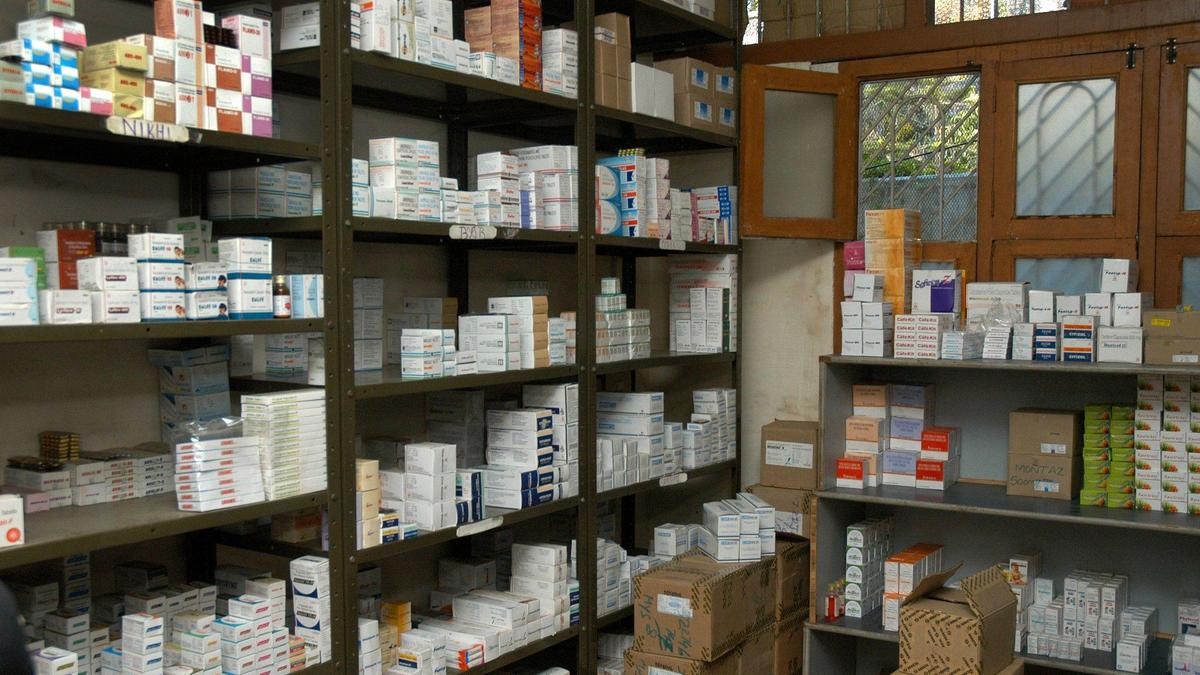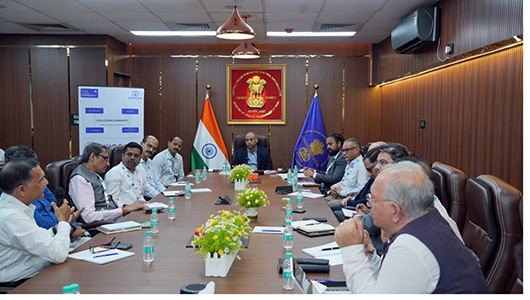
In a significant move to strengthen India’s pharmaceutical supply chain and safeguard patient safety, regulators, industry representatives, academia, and the cold chain community have jointly emphasized the urgent need to improve Good Storage and Distribution Practices (GSDP) across the country.
The deliberations were led by stakeholders including the National Accreditation Body for Cold Chain Management (NAB-CCM), which has been advocating for enhanced compliance, training, and awareness in the pharmaceutical logistics ecosystem.
The discussions were aimed at identifying critical gaps and opportunities in the existing storage, transportation, and distribution systems for medicines and other temperature-sensitive healthcare products. Stakeholders collectively agreed that a structured and collaborative approach is essential to ensure the quality, efficacy, and integrity of pharmaceutical products throughout the supply chain.
According to Dr. Santosh Indraksha, Deputy Drugs Controller (DDC), India, Western Zone, a multi-stakeholder strategy is being actively discussed to address the challenges facing pharmaceutical supply chains and to facilitate the effective implementation of GSDP. He stated that workshops, capacity-building initiatives, and targeted training programmes for pharma cold chain logistics providers, transporters, wholesalers, retailers, and even consumers are being considered as part of a broader effort to improve compliance standards.
Dr. Indraksha further indicated that stakeholders are also exploring the development of a comprehensive reference guidance document to support the implementation of GSDP across the sector. The initiative comes in response to repeated requests from pharmaceutical industry stakeholders and members of the cold chain community seeking notification and implementation of the long-pending Draft Good Distribution Practices (GDP) Guidance Document issued in 2022.
Industry experts highlighted that limited resources and inadequate regulatory oversight continue to pose challenges in assessing the actual level of compliance within the pharmaceutical supply chain. There is a need for increased sampling and testing of drugs during storage and distribution stages to gain clearer insights into current practices and identify areas requiring corrective action.
Stakeholders also stressed the urgency of introducing a comprehensive GDP framework that can eventually be incorporated into the Drugs and Cosmetics Rules, 1945, thereby providing a stronger legal and regulatory foundation for enforcement and compliance.
To accelerate progress, active engagement from stakeholders in India’s Western Region is being sought to create a compliance-driven supply chain model that can serve as a pilot project for the country. If successful, the model could be replicated across other regions to establish uniform standards and best practices nationwide.
Speaking on the initiative, Sarvesh Chaubey, Founder and Managing Director of NAB-CCM, said that discussions are underway with industry stakeholders to develop specialized training modules, certification programmes, and awareness campaigns focused on GSDP and GDP guidelines. The objective is to ensure wider dissemination of best practices across the pharmaceutical supply chain while prioritizing consumer and patient safety.
NAB-CCM has positioned itself as a key enabler in advancing cold chain compliance and supply chain excellence in India. The organization works closely with academia, industry, and government bodies to promote education, training, certification, awareness, accreditation, and incubation within the cold chain sector.
Among its key offerings, NAB-CCM supports regulators in developing and implementing comprehensive standards and policies, provides skill-based training and certification programmes, promotes cold chain-specific academic curricula, assists with end-to-end monitoring and traceability solutions, raises awareness on the importance of effective cold chain management, and advocates for sustainable infrastructure development.
The organization’s vision is to create a robust Indian cold chain compliance system based on ethical standards and industry best practices. Through its collaborative platform, NAB-CCM seeks to ensure that businesses involved in the manufacture, storage, transportation, and handling of temperature-sensitive products—including medicines, vaccines, and food products—are adequately trained and regularly audited to maintain product quality and regulatory compliance.
As India continues to strengthen its position as a global pharmaceutical manufacturing hub, stakeholders believe that effective implementation of GSDP and GDP frameworks will play a crucial role in ensuring product integrity, improving supply chain reliability, and protecting public health. The proposed training initiatives, regulatory reforms, and collaborative compliance model are expected to lay the foundation for a safer, more transparent, and accountable pharmaceutical distribution ecosystem across the country.