
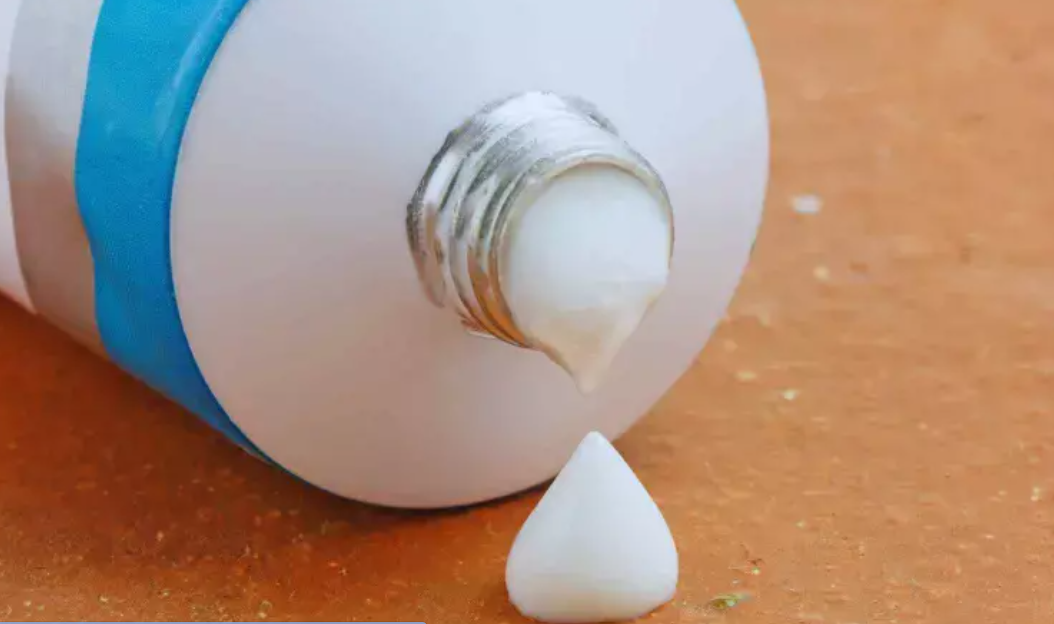
New Delhi: Delhi Police have busted a large-scale fake medicine manufacturing racket that had been operating for nearly six years, allegedly run by two Class 8 failures who learned to make medicines by watching YouTube videos, set up a makeshift factory, produced counterfeit Betnovate-C and Clop-G creams, sold them across the country at huge profits, and accumulated substantial assets from the illegal trade. Police seized around 358 kg of spurious medicines, machinery and raw material, and have initiated further investigation with more arrests likely.
According to police, the accused have been identified as Gaurav Bhagat and Vishal Gupta, both school dropouts with no formal education or training in pharmaceuticals. After failing in Class 8, Gaurav allegedly began searching online platforms and learned the entire process of manufacturing creams through YouTube videos.
During interrogation, Gaurav revealed that he learned how to prepare fake Betnovate-C and Clop-G creams online. He later purchased basic machinery from Anand Parvat and, along with Vishal, established a small illegal manufacturing unit in his village, where counterfeit medicines were produced, packed and supplied.
Police stated that the racket was running unnoticed for about six years, during which raw materials were sourced from different states. The finished fake products were then sold to wholesalers. The cost of producing one tube was merely ₹1.50 to ₹2, which was sold to wholesalers at around ₹15, and eventually reached consumers at prices ranging between ₹70 and ₹100 per tube.
Investigators further disclosed that the accused entered the fake medicine business after being advised by someone known to them. Easy availability of online tutorials motivated them to start production without understanding the health risks posed to consumers.
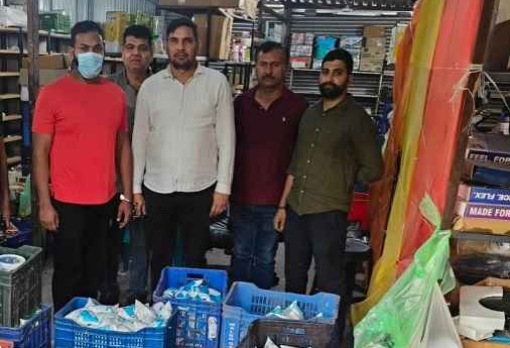
During raids, police recovered 358 kg of counterfeit medicines, along with packaging material, labels and manufacturing equipment. The accused allegedly used the profits to acquire property and other assets, prompting police to explore attachment proceedings under applicable laws.
According to a recent media report in the Amar Ujala, the police have intensified the probe to identify the supply chain, distributors and retailers involved in circulating the spurious medicines in the market.
Authorities stated that the investigation is ongoing, and more arrests are expected as the network behind the illegal drug trade is further uncovered.




%20In%20Drug%20Development)