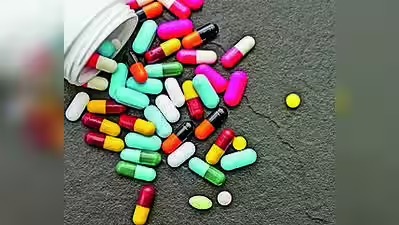

The raids were conducted by the drugs control department in coordination with the Delhi Police
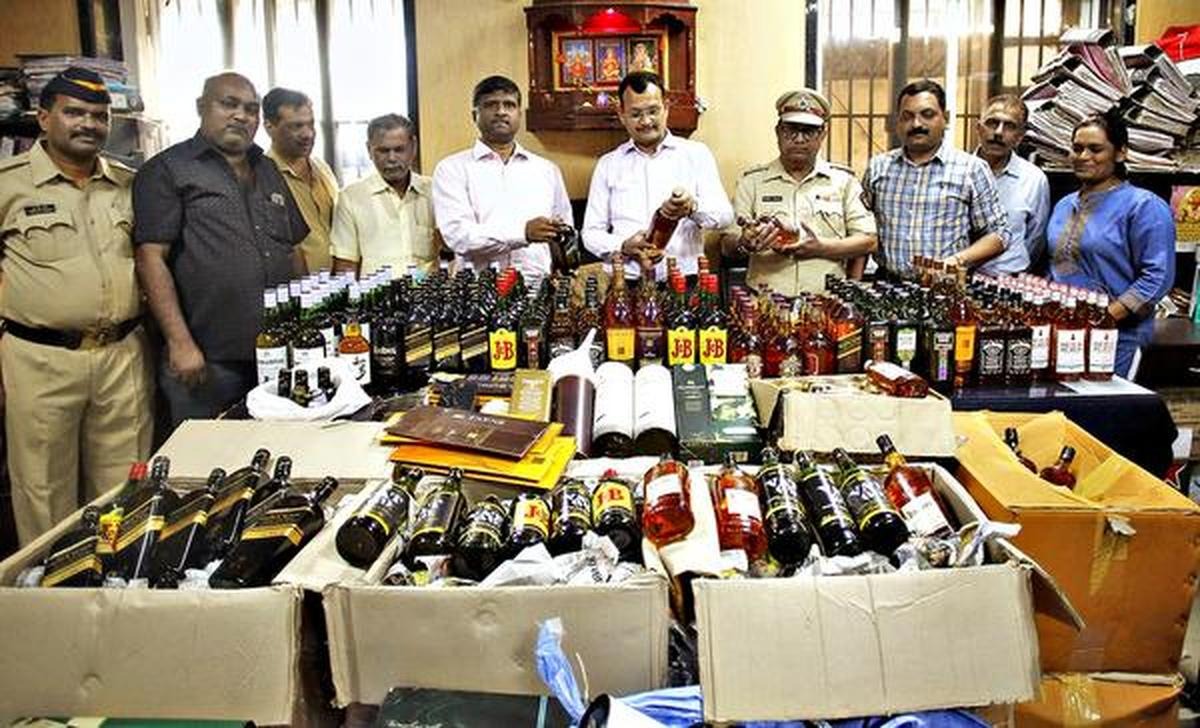
The Delhi government has carried out a “large-scale” inspection drive over the past week, conducting 27 raids across the Capital as part of a crackdown on illegal and counterfeit drugs, including cough syrups, officials said on Monday. At least 10 firms were found flouting rules and were allegedly involved in the sale of illegal or spurious medicines.
The raids were conducted by the drugs control department in coordination with the Delhi Police, with teams carrying out late-night inspections at drug trading premises. During the drive, officials said they collected 204 samples of medicines and medical supplies, including around 15 bottles of cough syrup, for further examination.
According to officials aware of the matter, the action followed actionable intelligence received last week regarding the movement of counterfeit and unauthorised medicines in the city. “To bust this racket, six teams were constituted to carry out coordinated raids at multiple locations,” an official said.
Bhagirath Palace, a major hub for medicine wholesale sellers, was the focus of the first phase of inspections conducted on Saturday, during which around 18 firms were checked. The second phase of the drive was carried out on Thursday in Sadar Bazar. “During the Sadar Bazar raid, one firm was found selling medical devices and surgical items without a valid licence, in violation of the Medical Devices Rules,” the official added.
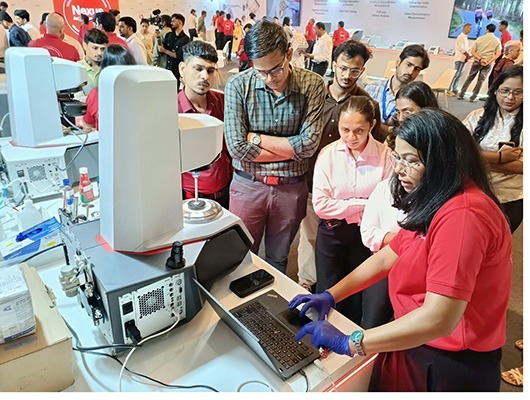
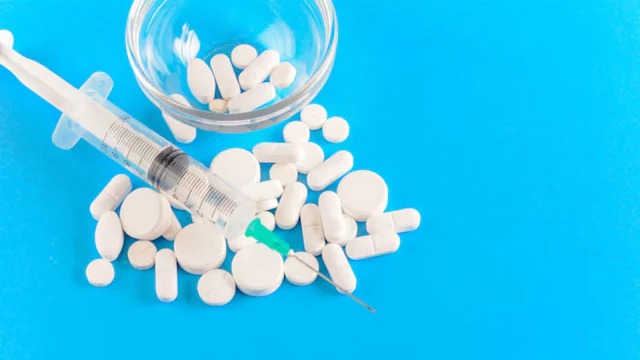
Officials said the samples collected include commonly used seasonal and over-the-counter medicines such as cough syrups, paracetamol, cetirizine, betadine cream and solution, salbutamol syrup, Solvin tablets and other formulations. “All samples have been sent for laboratory testing, and reports are expected within 60 days. Further legal action will be taken based on the findings,” an official said.
Preliminary investigations indicate that the counterfeit medicines were being supplied not only within Delhi but also to neighbouring states and even across borders, pointing to a wider distribution network.
“Ensuring the availability of safe and quality medicines is non-negotiable. We have zero tolerance for spurious, substandard or illegally sold drugs and medical devices,” health minister Pankaj Kumar Singh said, adding that enforcement drives will continue across the city to protect public health and deter offenders.