Karnataka High Court Ashwagandha ruling offers interim relief to supplement makers challenging the FSSAI advisory on Ashwagandha extracts.
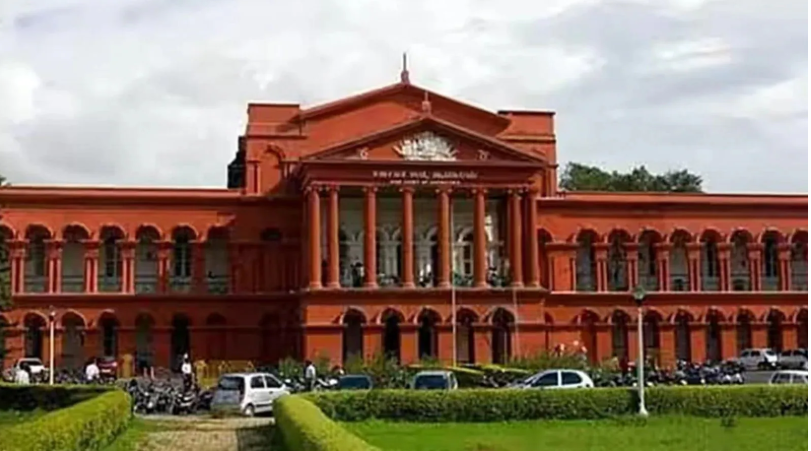
The Karnataka High Court has stayed an advisory issued by the Food Safety and Standards Authority of India (FSSAI) banning the use of Ashwagandha leaves or extracts in supplements due to safety concerns flagged by the Union Ministry of Ayush.
Justice S R Krishna Kumar Tuesday said, “The impugned advisory dated 16.04.2026 issued by the respondents is hereby stayed only insofar as it relates to the petitioners in W.P.No.14990/2026 and W.P.No.15010/2026 are concerned, till the next date of hearing.”
The interim order was passed in response to petitions filed by Sami-Sabinsa Group Ltd and Kerry Inc, which approached the court seeking to quash the advisory.
Ashwagandha, as an adaptogen, is commonly marketed as a natural supplement to boost strength and sexual wellness, particularly among men, and is available in various forms. Ashwagandha leaves allegedly contain higher levels of reactive withanolides, particularly withaferin-A, that pose safety risks including liver toxicity, gastrointestinal distress, and potential neurotoxic effects.
Senior Advocate K G Raghavan, appearing for the petitioners, argued that the companies are engaged in the manufacture of their products through contract manufacturers of Ashwagandha.
Further it was said that the manufacturing of Ashwagandha from the roots and extracts of the plant including leaves is being done as per norms laid down under Food Safety and Standards (Health Supplements, Neutraceuticals, Food for Special Dietary Use, Food for Special Medical Purpose, Functional Food and Novel Food) Regulations, 2016, which are framed under Section 92 of the Food Safety and Standards Act, 2006.
Raghavan also pointed out that the prohibition of the usage of certain parts of a food supplement cannot be issued through a mere advisory, without amending the 2016 Regulations. Moreover, the companies have been manufacturing their products using the leaves of the Ashwagandha plant for more than 30 years.