Glenmark Recalls 114 Batches Of Low Potassium Drug In The US Over Potentially Deadly Hyperkalemia Risk

MAHWAH, N.J. : While patients with low potassium often need medication to boost levels of the electrolyte in the body, too much of a good thing can cause serious health concerns.

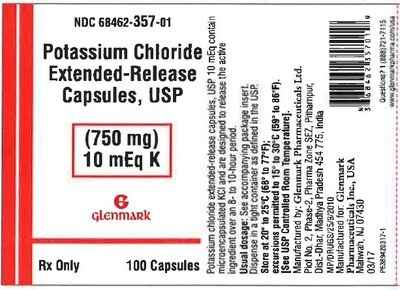
Glenmark Pharmaceuticals on Tuesday said it’s recalling 114 batches of 750mg potassium chloride extended-release capsules thanks to failed dissolution of the product.

Failed dissolution of the capsules could cause patients to develop heightened potassium levels, also known as hyperkalemia, which can result in irregular heartbeat. That side effect can potentially in turn lead to cardiac arrest.

Glenmark’s potassium chloride capsules are used to treat patients with low potassium, or hypokalemia. For patients who consistently use the drug—and especially in those with other underlying health conditions like hypertension, heart failure or kidney dysfunction—there is a “reasonable probably of developing hyperkalemia that may lead to a range of severity of adverse events,” including those that are potentially life-threatening, Glenmark said in a release.

To date, Glenmark says it hasn’t received any reports of elevated potassium levels or serious side effect reports linked to the recall. The company is performing the product pull voluntarily in conjunction with the FDA.

The suspect batches of potassium chloride capsules were shipped out across the U.S. to wholesalers, distributors and retailers, Glenmark said. The lots in question were set to expire between June 2024 and September 2025.

The recall comes a little less than a year after Glenmark extricated itself from a sticky debt situation.

Elsewhere, the threat of hyperkalemia has forced other recalls in the past.

Related Posts

Nearly Three in Ten Products in Indian Local Markets Perceived as Counterfeit; Pharmaceuticals and FMCG among Worst-Affected Sectors: ASPA–CRISIL Intelligence Report

New Delhi: Nearly 29% of products available in India’s local markets are perceived by consumers to be counterfeit, highlighting the growing challenge of fake goods across critical sectors, including pharmaceuticals…

Culture reports reveal bacteria damaged cornea of five patients from Kuchaman

Jaipur: Culture reports confirmed that five patients shifted to SMS Hospital, Jaipur, after cataract surgery at Kuchaman govt hospital have tested positive for serious postoperative eye infections caused by Enterobacter…

Leave a Reply

Your email address will not be published. Required fields are marked *

You Missed

Nearly Three in Ten Products in Indian Local Markets Perceived as Counterfeit; Pharmaceuticals and FMCG among Worst-Affected Sectors: ASPA–CRISIL Intelligence Report

Nearly Three in Ten Products in Indian Local Markets Perceived as Counterfeit; Pharmaceuticals and FMCG among Worst-Affected Sectors: ASPA–CRISIL Intelligence Report

Culture reports reveal bacteria damaged cornea of five patients from Kuchaman

Culture reports reveal bacteria damaged cornea of five patients from Kuchaman

FSSAI prohibits Dabur from selling food products with ‘100%’ claims

FSSAI prohibits Dabur from selling food products with ‘100%’ claims

ORSL reinforces its commitment to improve diarrhoeal prevention in children

ORSL reinforces its commitment to improve diarrhoeal prevention in children

‘Donors got mixer grinders, cash’: blood banks in Bengal under scanner over ‘illegal’ sale to other States

‘Donors got mixer grinders, cash’: blood banks in Bengal under scanner over ‘illegal’ sale to other States

CREATE Medicines expands targeted in vivo CAR platform through strategic research collaboration and exclusive license pact with Monash University

CREATE Medicines expands targeted in vivo CAR platform through strategic research collaboration and exclusive license pact with Monash University