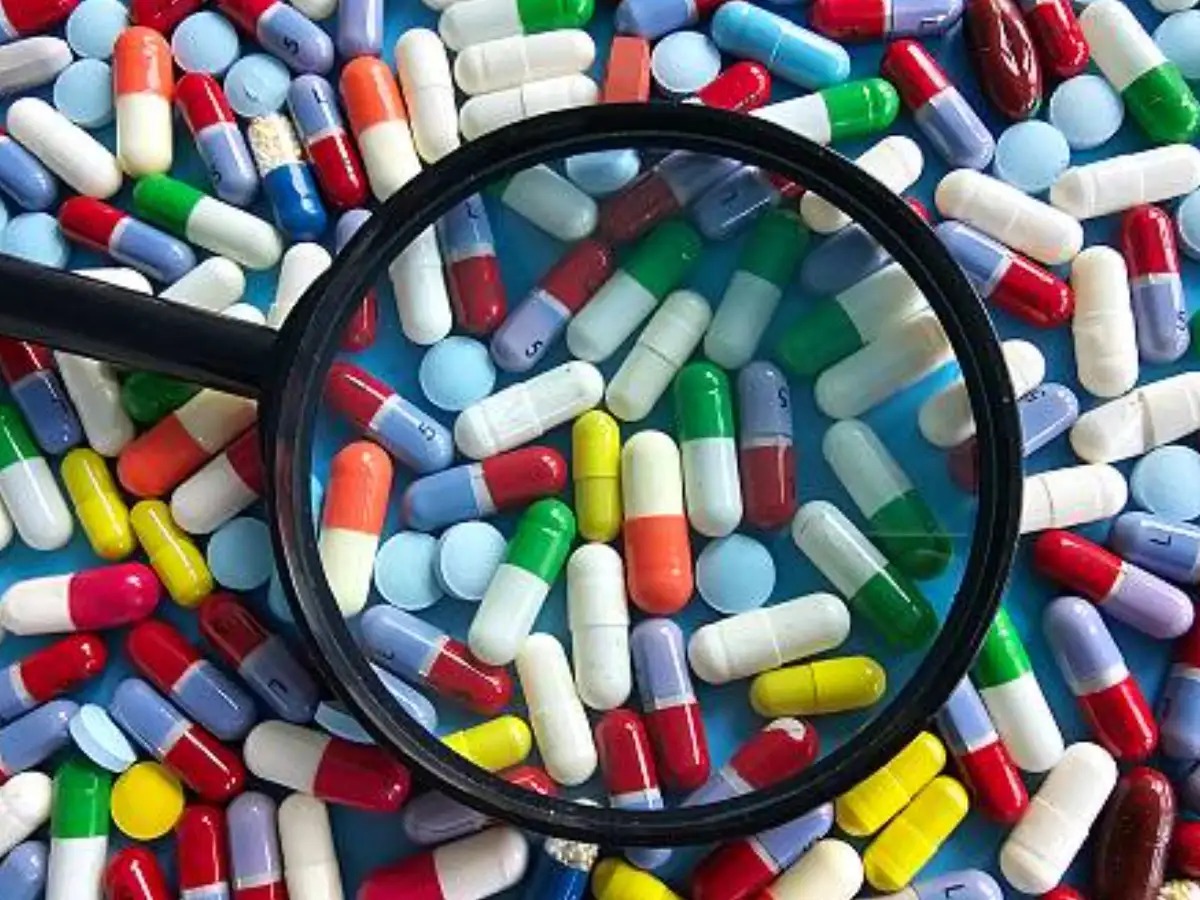
Mumbai: Hologram and blockchain technology should be used as major tools to prevent the sale of counterfeit drugs in the market, said Sheetal Arora, CEO, Mankind Pharma Ltd.
“Holograms and security labels embedded with advanced anti-counterfeiting features (3D holographic images, unique patterns and micro-text) are the most difficult to replicate. Similarly, blockchain improves traceability via end-to-end tracking of shipments,” he said in a note detailing measures to curb this growing menace.
He said curbing counterfeit drugs assumes importance when the Indian pharmaceutical industry, which was valued at $50 billion in 2023, is projected to touch $130 billion by 2030.
“Although India is poised to become the world’s pharmacy, the country has also become a major hub for counterfeit drug production, as small operations can be set up easily with minimal infrastructure and overhead expenses,” Mr. Arora added.
As per WHO, almost 10.5% of medications across the world are either substandard or fake.
He said while counterfeit drugs have existed for years, this industry got a boost during the pandemic. Emphasising the need for the pharma industry and the government to join hands in combating “this serious threat”, he said regulatory control must be strengthened, accompanied by awareness campaigns.
“Drug testing labs should be equipped with international standard instruments, and surveys must track counterfeit drug movements,” he said.
Implementing strict liability for counterfeit drug manufacturers could act as a deterrent, he added.
Stating that the Centre must immediately implement the draft guidelines on Good Distribution Practices issued in 2018, he said a nationwide campaign should be undertaken to make laypersons and patients aware of the dangers of purchasing spurious drugs while teaching them how to identify fakes.
He said pharma companies should invest in secure, distinctive, difficult-to-copy packaging and change this periodically to make counterfeiting challenging. Tamper-proof elements such as QR codes, holograms and security labels could also help in verifying the authenticity of products, he said.
Through QR codes, customers can immediately verify the genuineness of packed medicines, making it difficult to stock fake products openly on shelves or sell them across borders, he added. Mr. Arora said brand owners must shoulder the responsibility of investing in innovative packaging, labelling and new-age security features to stay a step ahead of counterfeiters.
Changing product packaging periodically will make duplication tougher, he suggested.