Bhopal– In a bid to prevent future tragedies following the heartbreaking loss of 24 children to contaminated cough syrup, the Madhya Pradesh government has unveiled a comprehensive overhaul of its drug inspection framework. The state has submitted a Rs 211 crore proposal to the central government under the State Drug Safety and Regulatory Strengthening Scheme (SSDRS 2.0), aiming to establish robust checks at the grassroots level.
The incident, which claimed young lives due to adulterated or poisonous syrup, exposed critical gaps in the state’s drug quality monitoring system. Previously, inspections were confined to major hubs like Bhopal, Indore, Jabalpur, and Gwalior, leaving rural and smaller districts vulnerable. Officials now emphasize the urgent need for micro-level scrutiny to detect contaminants such as fungi, bacteria, chemical irregularities, or outright adulteration early on.
Key Upgrades in the Pipeline
Under the proposed initiative, every district in Madhya Pradesh will soon house independent drug inspector offices. Allocated Rs 110 crore for this expansion, these facilities will be equipped with state-of-the-art IT infrastructure, including servers, computers, and dedicated training halls. The shift to online processes for licensing, inspections, and reporting is expected to streamline operations and enhance transparency.
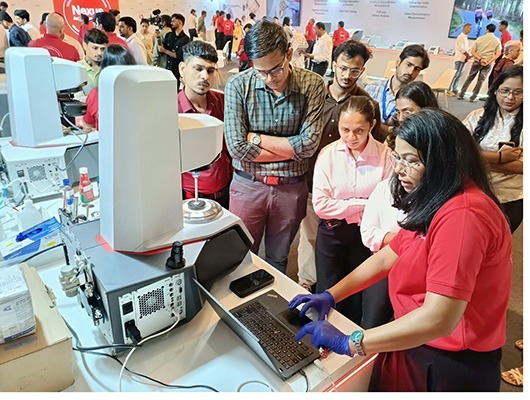
To bolster laboratory capabilities, Rs 50 crore has been earmarked to modernize four existing state drug testing labs in Bhopal, Indore, Jabalpur, and Gwalior. These upgrades will introduce specialized units for microbiology and sterility testing, enabling rapid detection of harmful agents. The labs are targeted for NABL accreditation, ensuring compliance with national standards for accuracy and reliability.
Mobility is another focus: Rs 4 crore will fund mobile testing labs and handheld devices, allowing inspectors to conduct on-site analyses without relying solely on centralized facilities. This innovation promises to drastically cut down turnaround times for sampling and results.
Building a Stronger Workforce
Human resources won’t be overlooked. An additional Rs 36 crore will support the recruitment of new drug inspectors, lab assistants, chemists, and data entry operators. Complementing this, Rs 2 crore is set aside for constructing training centers to upskill personnel in cutting-edge inspection techniques, from digital tracking to advanced chemical analysis.
State health officials hailed the move as a “vital lesson learned from profound loss,” stating that the integrated upgrades will not only expand the cadre of inspectors and analysts but also accelerate the entire monitoring ecosystem. “No child should ever suffer due to substandard drugs,” a senior bureaucrat remarked, underscoring the proposal’s child-safety imperative.
The central government’s approval is awaited, but if greenlit, implementation could begin within months, marking a proactive step toward safer pharmaceuticals across Madhya Pradesh. This tragedy, while devastating, may yet catalyze systemic change to safeguard public health statewide.