New Delhi – In a major escalation of their interstate war on narcotics, Delhi Police’s Anti-Narcotics Task Force (ANTF) has dismantled a second clandestine factory churning out spurious medicines and opioids, arresting a 59-year-old mastermind from Bihar. The operation, which uncovered a haul of fake drugs worth crores, marks a significant blow to an organized cartel peddling life-threatening psychotropics, bringing the total arrests to nine and edging closer to collapsing a vast illegal network that preys on public health.
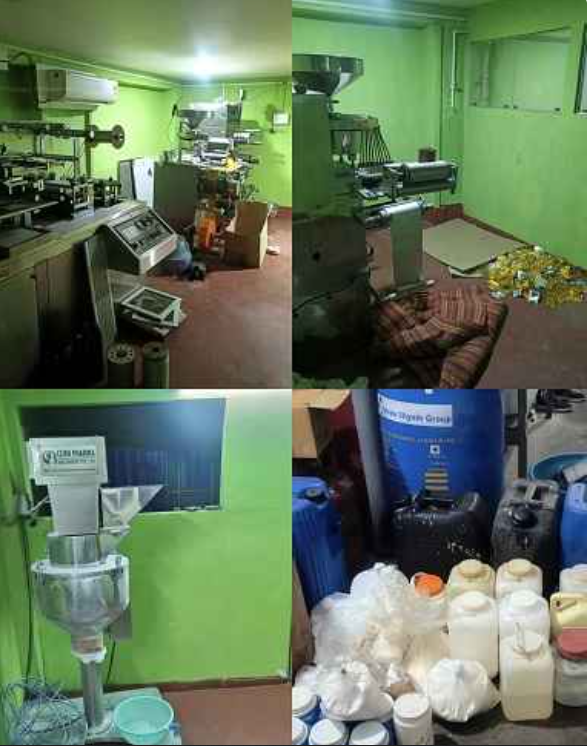
The breakthrough follows relentless pursuits by the ANTF under Deputy Commissioner of Police (DCP) Sanjeev Kumar Yadav, with a team led by Inspector Nitesh Kumar and supervised by Assistant Commissioner of Police (ACP) Satendra Mohan. Building on intelligence from prior arrests, including that of Tanishq last week, the squad zeroed in on Arun, a Gaya resident operating an unlicensed pharmaceutical unit. The raid, conducted in coordination with local drug authorities, exposed a facility flouting regulations—no valid manufacturing license, absent mandatory chemists for production and analysis—yet producing opioids and spurious drugs on an industrial scale.
Seizures from the site painted a picture of brazen criminality: 119,800 fake zinc tablets, 42,480 spurious Azithromycin tablets, 27 kilograms of Paracetamol powder, 444 counterfeit ampules of Dilona Aqua, and heavy machinery capable of mass production. Investigators revealed that Arun had processed over 5 kilograms of illicitly smuggled Tramadol powder—valued at more than Rs 5 crore in the international market—into tablets, which were then funneled through bogus medical outlets and smugglers for resale at inflated prices. These counterfeit opioids, often substituted for heroin by addicts, pose severe health risks, including organ failure and death.
The cartel’s modus operandi involved sourcing raw materials illegally, manufacturing in hidden factories, and distributing through a web of regional suppliers and peddlers. This not only generated enormous profits but also endangered countless lives by flooding markets with substandard, toxic substances. The operation ties back to FIR No. 273/25 under Section 22 of the NDPS Act at the Crime Branch Police Station, with the latest bust occurring after high-stakes chases, coordinated raids across states, and intensive technical surveillance.
Arun, originally from Gaya and now in custody, had established the factory to rake in quick fortunes by scaling up opioid production. He collaborated with other syndicate members to procure raw inputs, process them into fake medicines, vials, and syrups, and redistribute them via underground channels to multiple states. His arrest underscores the network’s hierarchical structure, where figures like him act as coordinators, linking raw suppliers to end peddlers.
This raid comes hot on the heels of a similar bust in Patna, highlighting the ANTF’s unyielding drive. Teams have traversed thousands of kilometers through diverse terrains, enduring car pursuits and executing precise strikes. The cumulative impact: two fake factories shut down, nine key players behind bars, and a severe disruption to the flow of psychotropic substances. DCP Yadav emphasized a “zero tolerance” policy against those jeopardizing public health, aligning with the Commissioner of Police’s vision for a “Drug-Free Delhi.”
As investigations deepen, ANTF officials vow to chase remaining leads and apprehend fugitive accomplices. This case exposes vulnerabilities in pharmaceutical regulation, where unlicensed operations thrive amid lax oversight, fueling addiction epidemics and counterfeit drug crises. Public health experts warn that such spurious products, often laced with harmful contaminants, contribute to rising overdose deaths and antibiotic resistance. With the network teetering on collapse, this operation serves as a stark reminder of law enforcement’s role in safeguarding communities from hidden threats.