New Delhi– The tragic Chhindwara incident, where 26 children lost their lives to contaminated cough syrups earlier this year, has finally jolted two states into action on a chronic issue plaguing India’s pharmaceutical oversight: the woefully inadequate testing infrastructure. Despite the Drugs and Cosmetics Act of 1940 mandating stringent quality controls, state authorities have historically dragged their feet on modernizing labs, even as the Central Government repeatedly urged upgrades to ensure public safety. Now, with media spotlights glaring, Madhya Pradesh and Haryana are announcing ambitious plans for state-of-the-art facilities—prompting questions about whether this is genuine reform or mere post-crisis optics.
For decades, substandard and counterfeit medicines have evaded detection due to outdated labs overwhelmed by backlogs, allowing hazardous preparations to flood markets. Central health advisories, including those from the CDSCO (Central Drugs Standard Control Organisation), have fallen on deaf ears, with states citing budget constraints while addiction and poisoning cases mount. The Chhindwara deaths, linked to codeine-laced syrups with toxic solvents, exposed these gaps starkly, reigniting national outrage and forcing reluctant administrations to respond.
Haryana: New Testing Lab Set for Launch in Four Months, Proposals for Three More
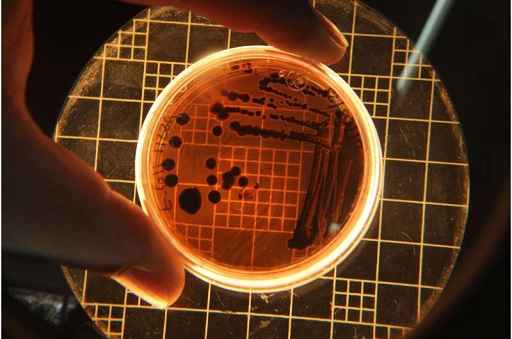
In a virtual meeting chaired from Chandigarh on Monday, Haryana Health Minister Aarti Singh Rao announced that a new drug testing laboratory will become operational within the next four months, aiming to bolster the state’s regulatory framework. The facility, part of a broader push to enhance allopathic drug quality checks, will focus on risk-based inspections of manufacturing units and advisories on hazardous solvents like propylene glycol and glycerin. With an estimated cost of ₹91.9 crore, the state has also proposed three additional labs in Gurugram, Hisar, and Karnal to decentralize testing and curb interstate smuggling of substandard pharma products.
The move comes amid intensified scrutiny: Haryana has conducted 33 risk-based inspections of drug units in recent months, shutting down 12 firms and revoking two manufacturing licenses, while testing 54 samples and issuing notices for discrepancies. Central Health Minister JP Nadda praised these efforts during the meeting, noting joint CDSCO inspections and the dispatch of 31 samples for analysis. Yet, critics argue the timeline—four months for the first lab—feels performative, especially after years of central prodding went unheeded.
Madhya Pradesh: ₹50 Crore International-Standard Lab in Ujjain to Break Ground in March 2026
Echoing Haryana’s haste, Madhya Pradesh’s Food and Drug Department revealed plans for a cutting-edge food and drug testing lab in Ujjain, valued at ₹50 crore, with construction slated to begin in March 2026. Designed to international standards, the facility will equip the Malwa region with high-speed analyzers, digital reporting systems, and a team of trained scientists to swiftly test food items, medicines, and beverages for adulteration—addressing delays that once took weeks or months when samples were shipped to Bhopal or Delhi.
The lab, envisioned as a regional reference center serving surrounding districts, is timed to be fully functional before the Simhastha Kumbh Mela in 2028, ensuring safety during the massive gathering. It builds on recent expansions, like the Indore lab inaugurated under Chief Minister Mohan Yadav, which has boosted the state’s testing capacity by 200% from 6,000 to 20,000 annual checks. Health Minister of State Narendra Shivaji Patel highlighted how such infrastructure will enable rapid action against counterfeit drugs, a direct nod to Chhindwara’s horrors where delayed testing let toxins proliferate.
State officials frame this as part of a “war on adulteration,” but the announcement’s proximity to media coverage of the child deaths raises eyebrows. Five years ago, under the previous Kamal Nath government, groundwork began in Indore; similar proposals for Gwalior and Jabalpur followed, yet progress lagged until tragedy struck.
As these pledges unfold, experts call for verifiable timelines and central oversight to prevent another cycle of announcements without accountability. With India’s pharma market booming, upgrading labs isn’t just a fix—it’s a lifeline for millions relying on safe medicines. The real test: Will states sustain the momentum beyond the headlines?