US FDA approves first cell-based gene therapy for rare genetic skin disorder

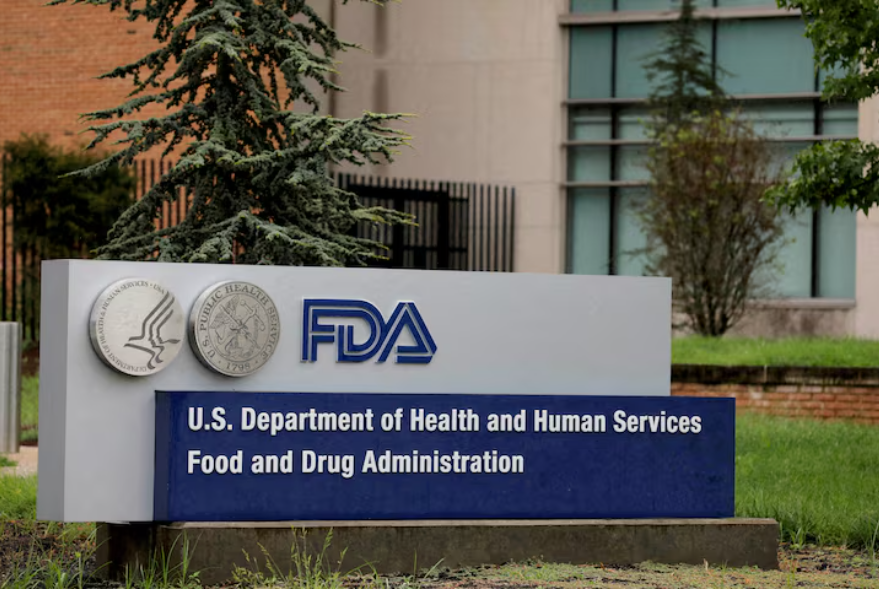
The U.S. Food and Drug Administration approved Abeona Therapeutics’ (ABEO.O), opens new tab gene therapy for a rare skin disorder on Tuesday.

The gene therapy, called Zevaskyn, is approved to treat adult and pediatric patients with recessive dystrophic epidermolysis bullosa.

Patients with the disorder have extremely fragile skin, with blisters and tears forming large wounds all over the body that are difficult to heal and can remain open for years.

The disorder results from a defect in the COL7A1 gene, which prevents the production of a crucial type of collagen responsible for anchoring the upper and lower layers of the skin.

The current standard of care treatment is daily wound care and protective bandaging.

The treatment is expected to be available in the third quarter of 2025 at specific treatment centers and will have a list price of $3.1 million, Abeona said.

The company expects 10 to 14 patients to be treated with Zevaskyn this year.

Zevaskyn, chemically known as pz-cel, works by adding healthy COL7A1 genes to patient’s skin cells and transplanting them back to the patient through a skin graft to heal the large and chronic wounds.

The FDA’s approval was based on data from early-to-mid-stage and late-stage studies, in which the therapy showed significant healing of wounds and pain reduction after treatment.

Current treatment options include Krystal Biotech’s (KRYS.O), opens new tab Vyjuvek, approved in 2023, which is used to treat smaller-sized wounds. Last year, Vyjuvek brought in sales of $290.5 million.

Patients being able to use both Vyjuvek and pz-cell at the same time will help treat the disorder more effectively and “hopefully make this disease chronic but livable,” said Brett Kopelan, executive director at debra of America, a nonprofit patient support organization.

Jefferies analyst Maury Raycroft estimates peak sales for the therapy, after royalty payments, to be at $427 million by 2034.


Related Posts

Yashoda Medicity Successfully Performs High-Risk Kidney Transplant in 28-Year- Old Woman

The Team Meticulously averted the Risk of Thrombosis, Husband was Donor Delhi/NCR : Doctors at Yashoda Medicity have successfully performed a high-risk kidney transplant in a 28-year-old woman with Antiphospholipid…

Avacta delivers two clinical stage peptide-drug conjugates to target delivery of toxic payloads into the tumour microenvironment

Avacta, a UK-based clinical stage biotech, is differentiated clinical-stage oncology specialist, increasingly defined by continuing progress with its second-generation pre|CISION tumour-activated Peptide Drug Conjugate (PDC) platform. The lead Gen Two…

Leave a Reply

Your email address will not be published. Required fields are marked *

You Missed

Yashoda Medicity Successfully Performs High-Risk Kidney Transplant in 28-Year- Old Woman

Yashoda Medicity Successfully Performs High-Risk Kidney Transplant in 28-Year- Old Woman

Avacta delivers two clinical stage peptide-drug conjugates to target delivery of toxic payloads into the tumour microenvironment

Avacta delivers two clinical stage peptide-drug conjugates to target delivery of toxic payloads into the tumour microenvironment

US FDA approves first gene therapy for paediatric patients with Sanfilippo syndrome type A

US FDA approves first gene therapy for paediatric patients with Sanfilippo syndrome type A

Technology and accessibility are key to growth of advanced treatment of heart diseases, says expert

Technology and accessibility are key to growth of advanced treatment of heart diseases, says expert

Puresta launches EVERQ, AI-powered skin-health platform

Puresta launches EVERQ, AI-powered skin-health platform

Stem cell therapy for autism only in approved clinical trials: Centre

Stem cell therapy for autism only in approved clinical trials: Centre