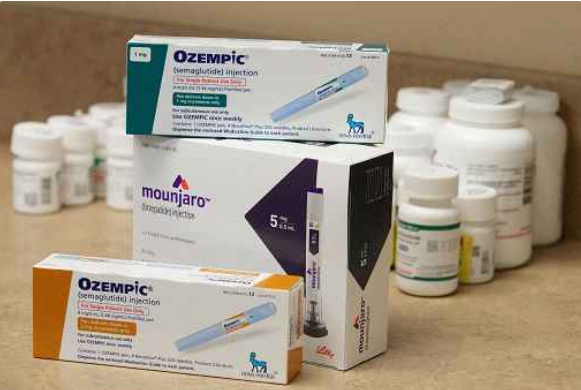
Maryland: The U.S. Food and Drug Administration is tightening oversight of imports of GLP-1 drug ingredients, used for weight loss and diabetes, amid concerns that many of the items may be adulterated and pose a safety risk.
The move comes as the FDA cracks down on unapproved compounded drugs, which had filled the gap during shortages of patented treatments. Soaring demand for Novo Nordisk and Eli Lilly’s obesity drugs has fueled a booming global market for cheaper, and sometimes even counterfeit versions.
The health regulator said it had previously identified serious concerns with compounded weight-loss drugs, including dosing errors, use of unapproved salt forms and side effects, with some requiring hospitalization.
As part of its heightened scrutiny, the FDA sent an import alert on Friday authorizing detention without physical examination (DWPE) at U.S. ports. This will allow the agency to seize shipments that appear to be non-compliant with federal requirements, without inspecting them on arrival.
Importers must now provide proof of quality and compliance before their goods are released.
The FDA evaluated 48 manufacturing sites outside the U.S. and found 21% of them as non-compliant.
“What is clear is that the FDA is OK with continued compounding,” Marta Wosinska, senior fellow at Brookings Institution, said, adding that it is a “great boost to GLP-1 compounding” because sellers can advertise that the FDA stands behind the source.
Wosinska, who has been tracking the rise of this industry, said the FDA’s move could change the market depending how the compliant players compare to available products and the difference in price. “The import alert does not list companies, only the import codes.”
The FDA will also maintain a separate “green list” — identifying firms or products that have resolved compliance concerns and are not subject to automatic detention at the border.