Over the past few years, the nutraceuticals industry has seen immense growth in the country, which took a major jump since 2020 because of the onset of the pandemic. Nutraceutical is defined as any nutritious food item that is good for your overall health and helps in creating a balance in your diet. The term Nutraceutical is derived from ‘Nutrients’ and ‘Pharmaceutical’. Nutraceuticals are preferred to prevent and reduce lifestyle diseases, such as obesity, diabetes, deficiency of vitamins, etc.
In a country like India, where we swear by the “Don’t worry, we’ll figure it out” attitude, nutraceuticals came into power because there was a sudden urge to boost our immunity and become our healthiest versions to fight the virus. People are now more open to the consumption of various health supplements and are focused on “healthy” food throughout the day, trying to detoxify and purify themselves. From celebrities and social media influencers to popular web portals, everyone is promoting an encouraging healthy lifestyle to get fitter and fight the virus and that’s how broccoli, celery, papaya seeds, quinoa, blueberries, and other food items entered the ration list of every Indian household.
But Will The Industry Still Grow Or Was It Just A Social Media Trend?
If facts are to be believed, unlike the ice water bucket challenge or the TikTok dance-offs, this fitness trend is here to stay.
According to the reports released by the International Trade Administration, India is expected to hold at least 3.5 per cent of the global market share by 2023. The nutraceuticals market in India can grow from $4 billion to $18 billion by the end of 2025, with 65% of the market share constituted by dietary supplements. With preventive health taking all the attention of the consumers, we can witness a 20-22% growth of the nutraceutical industry in the country.
What are the most in-demand nutraceuticals food items in India?
The nutraceuticals market in India has been categorized into functional food, dietary supplements, and beverages. Functional food majorly constitutes breakfast cereals and varieties of fortified flours, while the beverages include sports drinks and a few fortified juices. Dietary supplements have a large market share and are consumed mostly by users who are into sports or work out vigorously. They are both herbal and non-herbal.
But why is ndia so poised to lead the nutraceuticals industry?
There are multiple reasons why India is moving so fast in the race to be a global leader in the nutraceuticals industry and here are a few of them:
Shift In Consumer Behaviour
With a massive influence from the West and a sudden urge to be fitter and healthier, Indian consumers are shifting their focus to nutritious and healthy food items that help in preventing chronicle diseases and increases life expectancy. The transition from curative to preventive care in the Indian market has skyrocketed the demand for nutraceuticals and it is only going to increase over the years.
An Abundance of Raw Material
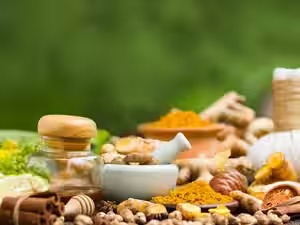
India has a rich heritage of herbal and ayurvedic medicines and hence raw materials and knowledge are abundant. We’ve been practicing and manufacturing nutraceuticals for centuries and therefore this increase in demand is only helping the GDP of the country.
Focus On Improving The Nutrition Level
According to a World Bank report, India loses nearly $12 billion in Gross Domestic Product (GDP) to malnourishment every year, and hence there is a need to change that. The Government is taking multiple measures to improve the situation by launching various schemes to map out malnourishment from the country. Nutraceuticals are playing a huge role in the entire process.
To Sum up…
The answer is YES! Growth in the nutraceutical market will definitely help the country’s GDP and improve the health of the citizens too. Looks like a win-win to us!
Yashna Garg is the CMO at ZeoNutra
(DISCLAIMER: The views expressed are solely of the author and ETHealthworld.com does not necessarily subscribe to it. ETHealthworld.com shall not be responsible for any damage caused to any person/organisation directly or indirectly.)